


Currency: Mexican peso (MXN)
Dieser Inhalt steht noch nicht in Deutschland bereit.Zurück zur DE-Startseite
Hire, manage, and pay employees in Mexico
Hiring in Mexico? Rippling handles local complexity and compliance so you can focus on growing your business.
Capital: Ciudad de México (CDMX) (GMT-6)
Payroll cycle: Biweekly
Official language: Spanish
Ihre Privatsphäre ist uns wichtig. Mehr darüber erfahren Sie in unserer Datenschutzerklärung für Nutzer. Es gelten die Rippling-Nutzungsbedingungen.

Mehr als 25 000 Unternehmen vertrauen uns
Rippling EOR makes it easy to hire in Mexico
Onboard Mexico employees in 90 seconds
Set up new hires in the Mexico with everything they need, from country-specific trainings to apps like Slack.
Pay your Mexican team in Peso (MXN) — in minutes
Pay all of your employees in Mexico without waiting on transfers or conversion.
Automate your HR compliance work
Understanding and complying with the Mexican laws is hard work. Rippling does it for you.
Manage HR, IT, and Finance in one system
Juggling multiple systems for your team? That creates silos and busy work. Rippling does it all — in a single system.
Employer of Record (EOR) pricing
Everything you need to run and pay a global team
Rippling can help you address every step of your international growth while allowing you to transition easily between stages.
„Our CEO describes Rippling’s ability to scale globally as ‘priceless.’
Annabel Tomlin
VP of Operations bei Sitemate

„Before Rippling, I would have had to coordinate with seven different people in different time zones. But I was able to do it for myself in 15 minutes — it was surprising and delightful, and inspirational.“
Varun Sharma
CEO bei Enterpret
„I feel safe with Rippling—much more safe compared to Deel.“
Jisselle Baldwin-Todd
Head of HR bei Crate
„We were originally working with Remote, as Deel was too expensive—but we knew we needed an all-in-one platform for future growth, and that was the key differentiator with Rippling.“
Christopher Welz
General Manager of Operations bei Mozaik
„Rippling has eliminated tedious manual work, improved accuracy, and enabled faster, more efficient people operations, making HR and IT processes far more scalable and strategic.“
Selina Purdie
Head of People bei SurrealDB
Von Experten bevorzugt


Trusted by 25,000+ companies worldwide
Global hiring & employment
Hire employees in Mexico in 90 seconds
Payroll and taxes
To run payroll in Mexico, you need to classify employees correctly, collect required personal and tax details, pay in MXN (or, with written consent, another currency), and calculate statutory deductions accurately. Rippling simplifies the entire process with one system for payroll, compliance, and reporting. Since employers in Mexico are responsible for payroll taxes and deductions, it’s important to keep these core obligations in mind:
Minimum wage
As of April 2025, Mexico's minimum wage is 278.80 pesos per day for most of the country and 419.88 pesos per day in the Northern Border Free Zone (ZLFN).
Note that employees in Mexico are entitled to a mandatory Christmas bonus, so their yearly salary will be 13 times their monthly salary.
Payroll taxes and deductions
- Payroll taxes: Varies by state
- Health insurance: 20.4%
- Work risk insurance: 0.67455%
- Disability and life insurance: 1.75%
- Retirement insurance, unemployment in advanced age: 1.125%
- Daycare insurance and social benefits: 1%
- Retirement Fund (SAR): 5.15%
- Daycare insurance and social benefits: 1%

Determine your Mexico workers’ employment status
One of the first steps you’ll need to take when hiring a new team member in Mexico is classifying them as an employee or an independent contractor. It’s crucial you categorize each worker correctly, or you could find yourself facing fines, having to pay back taxes, and even being subject to legal action.
With Rippling you can:
Employees
Employees are more integrated into the company, follow employer direction, receive benefits like insurance and paid leave, and are generally engaged for ongoing indefinite roles, with the employer responsible for workplace protections.
Contractors
Contractors have greater control over how they work, use their own tools, aren’t entitled to employee benefits, and typically work on short-term projects while managing their own taxes and liabilities.

Mandatory employee benefits in Mexico
By law, you are required to offer your Mexican employees certain statutory benefits. Of course, you can (and many companies do) provide supplementary benefits to remain competitive, retain top talent, and improve the employee experience.
The following are mandatory employee benefits in Mexico:
Social Security
Mexican social security, administered by the Instituto Mexico del Social Seguro, or IMSS, covers everything from healthcare to pensions, sick leave, child care, work risk insurance, disability pay, and more. About 25-35% of an employee’s paycheck goes towards social security.
Profit sharing and severance pay
Under Mexican law, employers must share 10% of annual profits with employees and provide severance pay in lieu of notice — amounts vary based on the reason for termination.
13th month salary
Also called the Christmas bonus or Aguinaldo, this is paid at the end of the year and is the equivalent of at least 15 days of an employee’s salary.
Vacation time and federal holidays
Employees in Mexico are entitled to mandatory vacation after one year of service, with time off increasing by tenure — plus a 125% vacation premium. They also receive 10 paid statutory holidays annually.
Sunday policy
According to Mexican labor laws, employees should receive a mandatory day of rest for every six days they work. Usually, that day is Sunday. If they do not have Sunday off, however, they’re entitled to be paid their normal daily wage plus 25%.
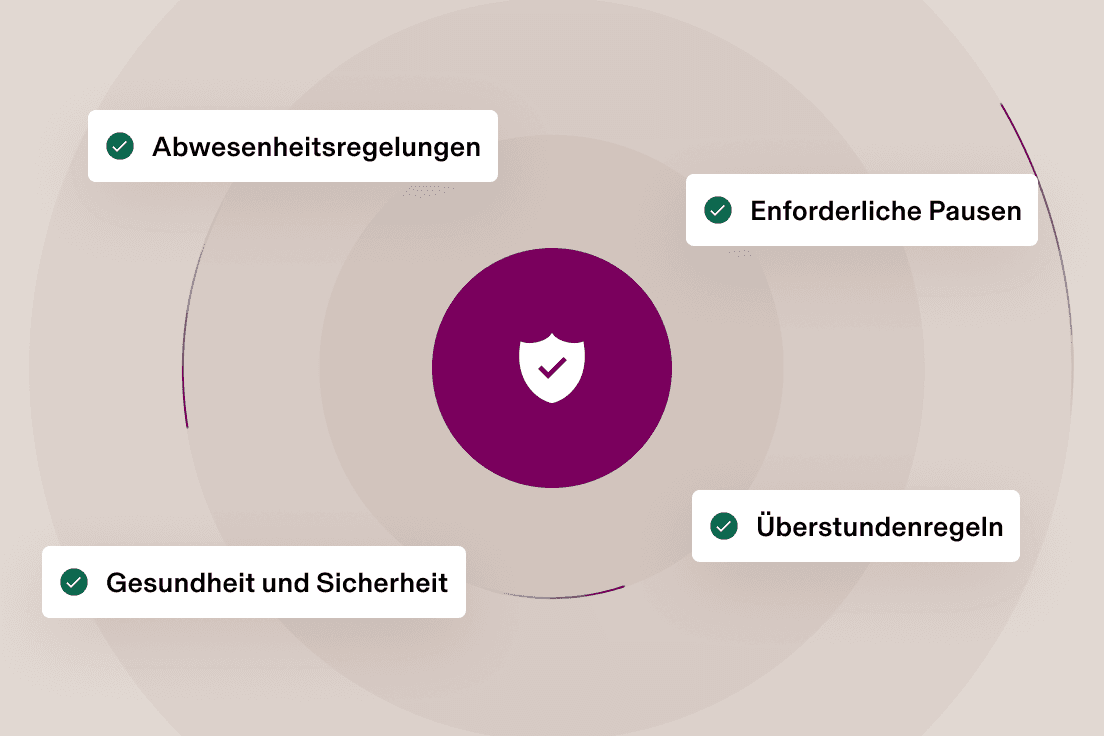
Complying with Mexican labor laws
Remaining legally compliant when expanding your operations to Mexico will save you everything from headaches to legal action to hefty fines. Before you start hiring employees, make sure you’re fully aware of the complexity of Mexican employment and labor laws.
Take note of the following:
Companies are required to share profits with Mexican employees
At the end of each year — 60 days after the company files their taxes — they are legally required to share 10% of their profits with their workers.
Even if an employee quits, you have to pay them severance
Mexico doesn’t have any requirements about notice periods at all — whether it’s on the part of the employee or the employer. Instead, employees must receive severance (even if they choose to leave).
“Employment laws” are not the same as “labor laws”
The former refers to the relationship between employee and employer, while the latter refers to the relationship between unions and employers.
FAQ
Do I need a local entity to hire employees in Mexico?
No. With Rippling’s Employer of Record (EOR), you can hire full-time employees in Mexico without setting up a legal entity. Rippling acts as the legal employer, handling compliance, contracts, payroll, benefits, and taxes on your behalf — so you can start hiring in under 90 seconds.
What are the payroll and tax requirements for employees in Mexico?
Employers must pay in Mexican pesos and comply with local tax laws. This includes payroll tax (varies by state), social security (7.58%), and a mandatory 10% profit sharing. Rippling’s EOR and payroll system automates deductions, calculations, and filings for full compliance.
What are payroll deductions in Mexico?
Employers in Mexico are responsible for deducting social security from their employees' pay, which covers pension, employment insurance, healthcare, and other social benefits. They must also deduct payroll taxes, which vary depending on their location.
What documents are required to pay employees in Mexico?
You’ll need the employee’s full legal details (name, age, sex, address, tax ID), contract terms, work location, pay rate, and frequency. Rippling collects and stores all required documentation, helping you meet legal and audit obligations — including record retention for five years.
What are the late tax filing penalties in Mexico?
All employers in Mexico must submit a tax return by March 31 for the previous tax year. Late tax returns are subject to penalties ranging from MXN 471 to MXN 5,888.
Late returns can also accumulate interest. Rates are set by the Mexican Congress and change periodically.
Rippling global solutions
Ready to see Rippling Global in action?
Ihre Privatsphäre ist uns wichtig. Mehr darüber erfahren Sie in unserer Datenschutzerklärung für Nutzer. Es gelten die Rippling-Nutzungsbedingungen.