


















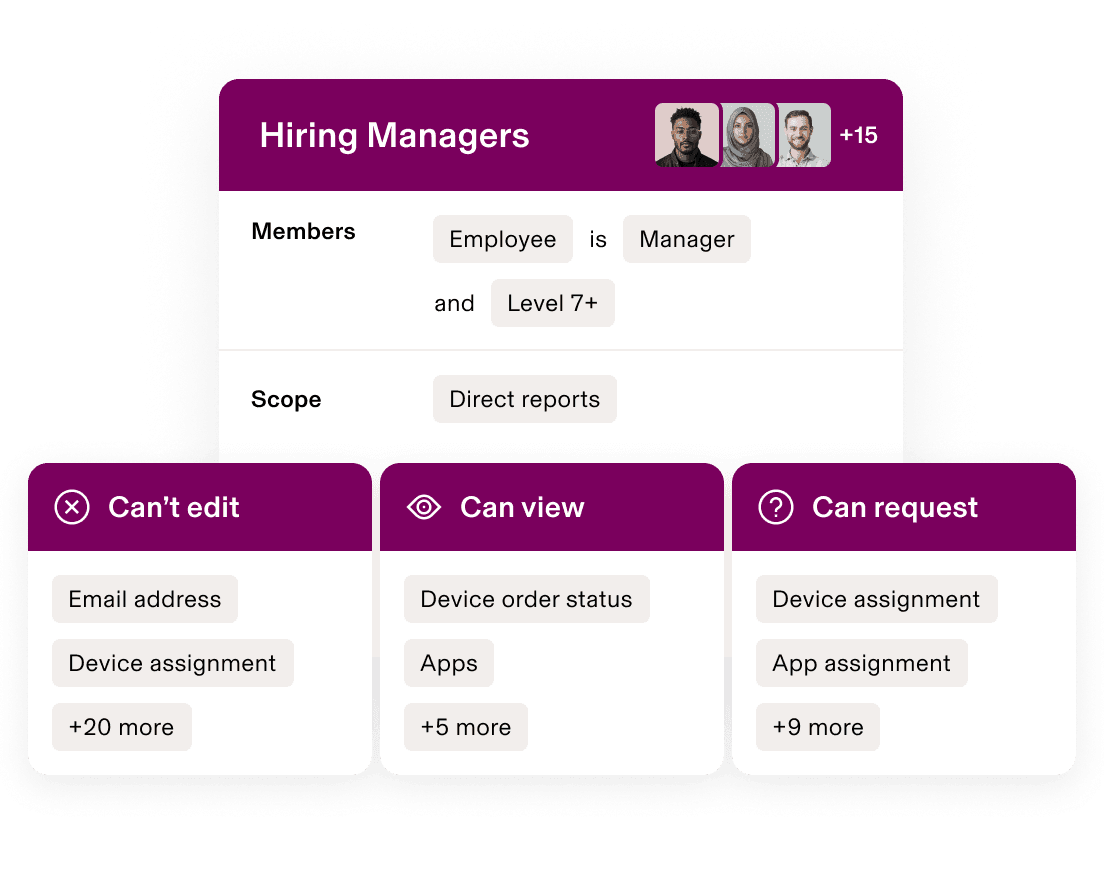
Determine which employee data a permissions profile can access. It could be a reporting line or an entire department.
- Products
- Platform
Rippling AI
Unlock business-critical insights and delegate tedious tasks to AI built for HR, Payroll, IT, and Finance.
Learn more
Rippling Solutions
Get engineer-built custom apps in Rippling to automate any business process you have.
Learn more
- Solutions
- Global

Employer of Record
Hire globally without entities

Global Payroll
Pay employees anywhere

Global Contractors
Pay contractors anywhere

Contractor of Record
Mitigate contractor risk

Global HRIS
Run global HR in one place

Global HR Adviser
Get localised HR expertise

Global Benefits
Manage benefits anywhere

Global Spend
Save everywhere you operate
- Resources
Resources

Blog
Customer Stories
Customer Stories


Barry’s empowers their workforce with a scalable HR solution

Forterra automates busywork to drive impact

Chess.com creates a frictionless people process

Clay grew 5x by automating 80% of its onboarding tasks

Blank Street Coffee saves 40 hours by automating open enrolment

Rippling gave Andros automation superpowers
Webinars
Glossary

Events

Rippling University

Help Centre

Compare


EN
Select language
Australia (EN)


Canada (EN)
Canada (FR)

France (FR)

Germany (DE)

Ireland (EN)

United Kingdom (EN)

United States (EN)
EN
Australia (EN)
Canada (EN)
Canada (FR)
France (FR)
Germany (DE)
Ireland (EN)
United Kingdom (EN)
United States (EN)
EN
Australia (EN)
Canada (EN)
Canada (FR)
France (FR)
Germany (DE)
Ireland (EN)
United Kingdom (EN)
United States (EN)
Permissions
Control access with custom permissions profiles
Automatically enforce what users can access, view and request with granular, role-based permissions profiles.
Trusted by 6,000+ customers

Permissions profiles
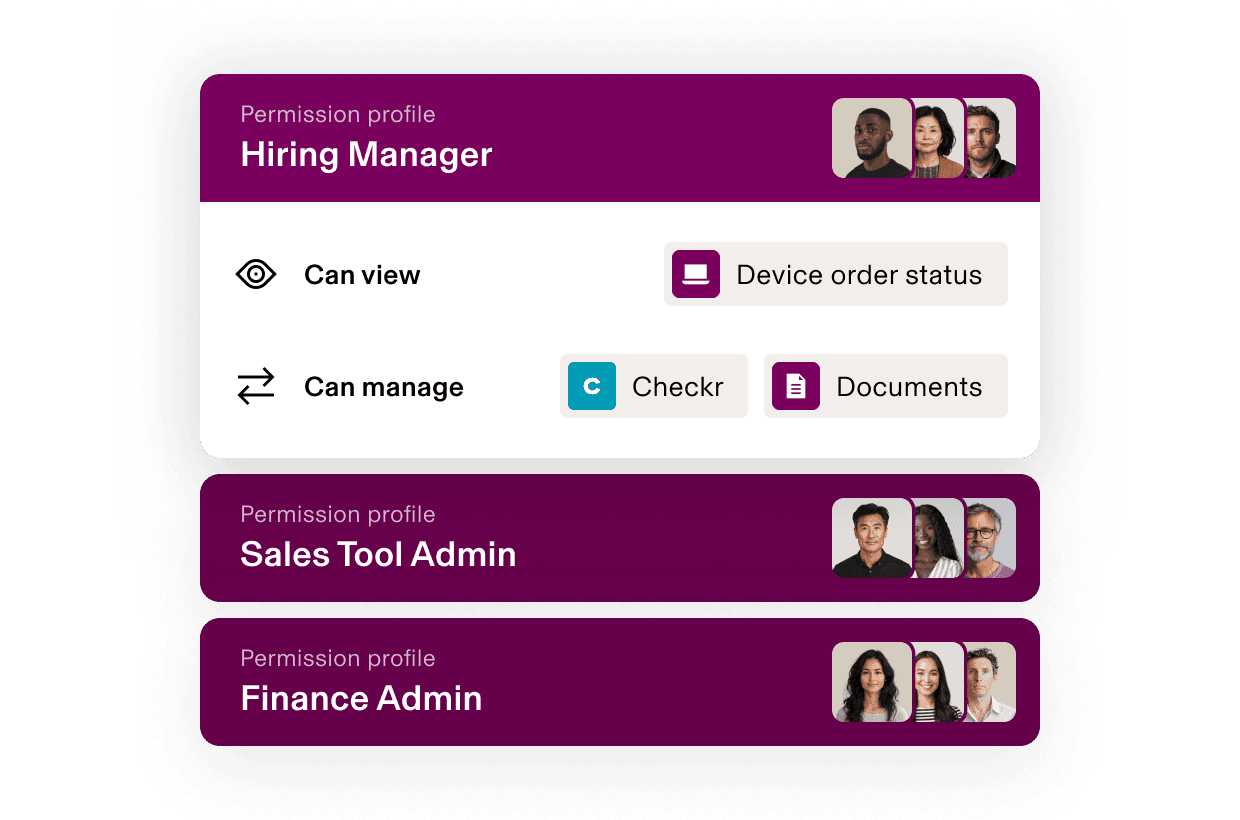
Build permissions profiles that give users the right access based on their role
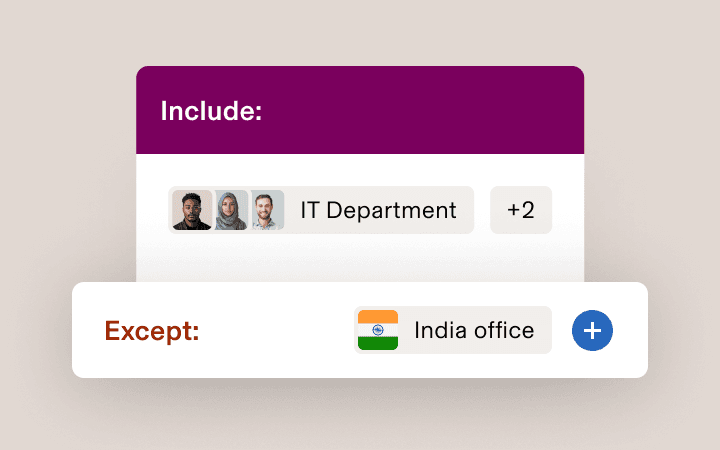
Define scope
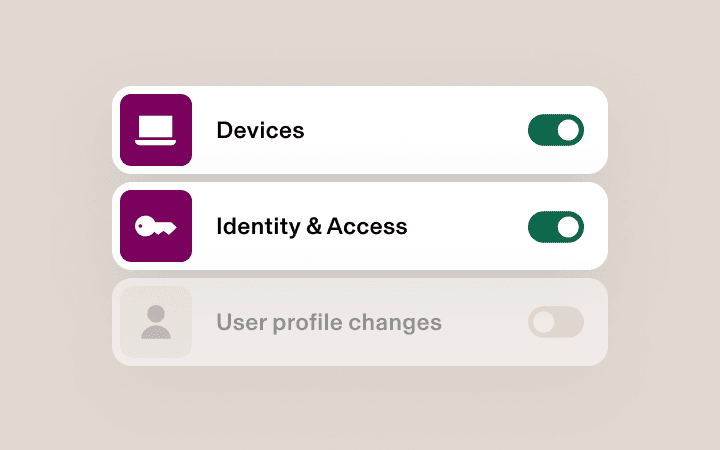
Control Access
Govern the different types of data that a permissions profile can access about people in its scope.
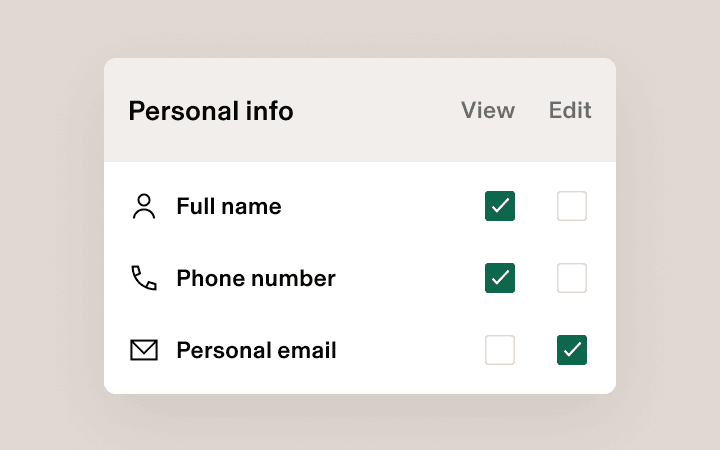
Select actions
Set what a permissions profile can do with the data in its scope — like view, edit and approve — in the apps it can access.
Supergroups
Permissions with greater flexibility
Automatically assign permissions profiles with Supergroups — dynamic membership lists built using attributes like level or location. As an employee’s attributes change, their permissions update.
Permission actions
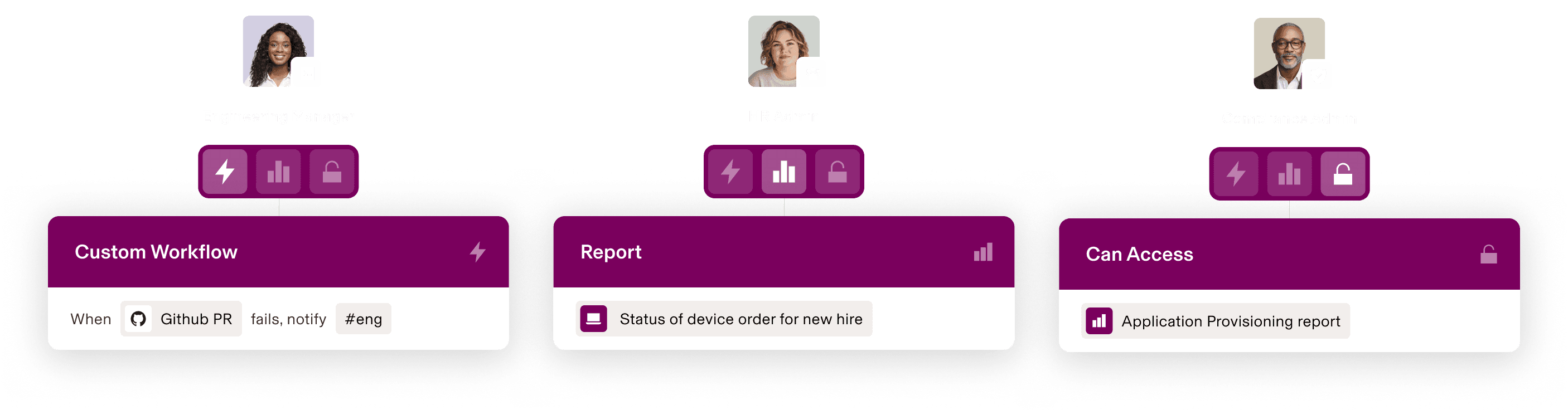
Empower users to do more than just view
By granting access to data, Rippling empowers managers, leads and admins to take action — building custom workflows, running their own reports and more.
Approval management
Escalate only the most important approvals
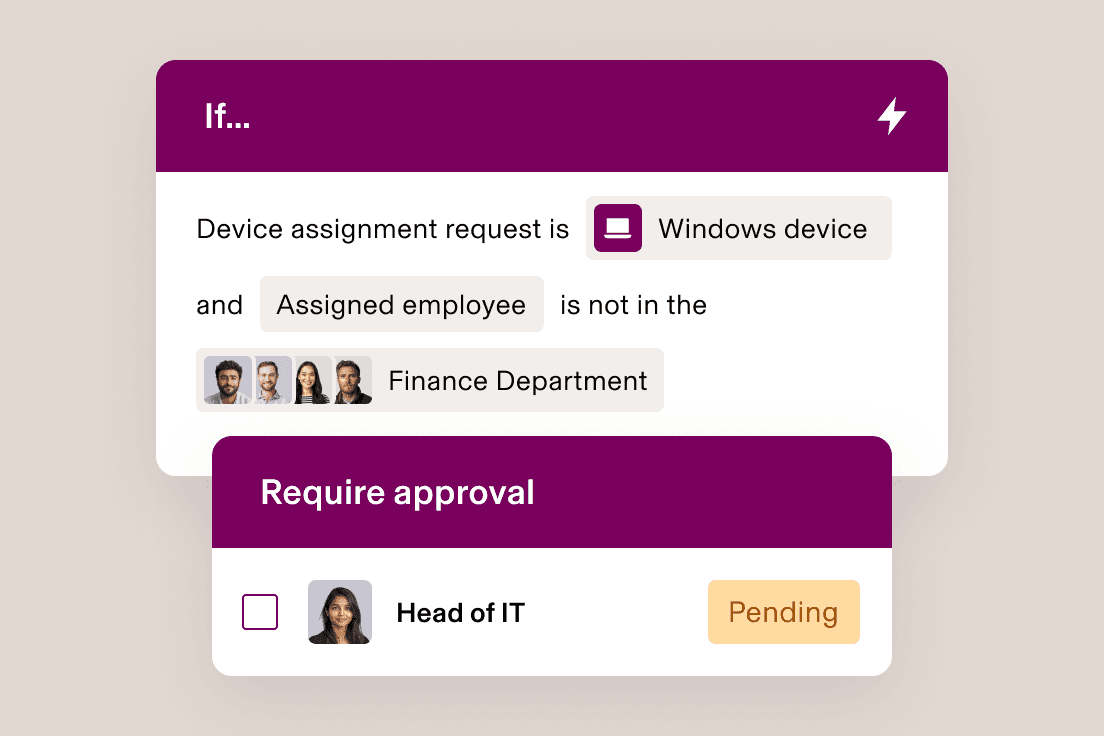
Provision apps. Assign devices. You set the rules for who can make and approve requests, simplifying small changes while flagging big ticket items for review.
Role-based approvals
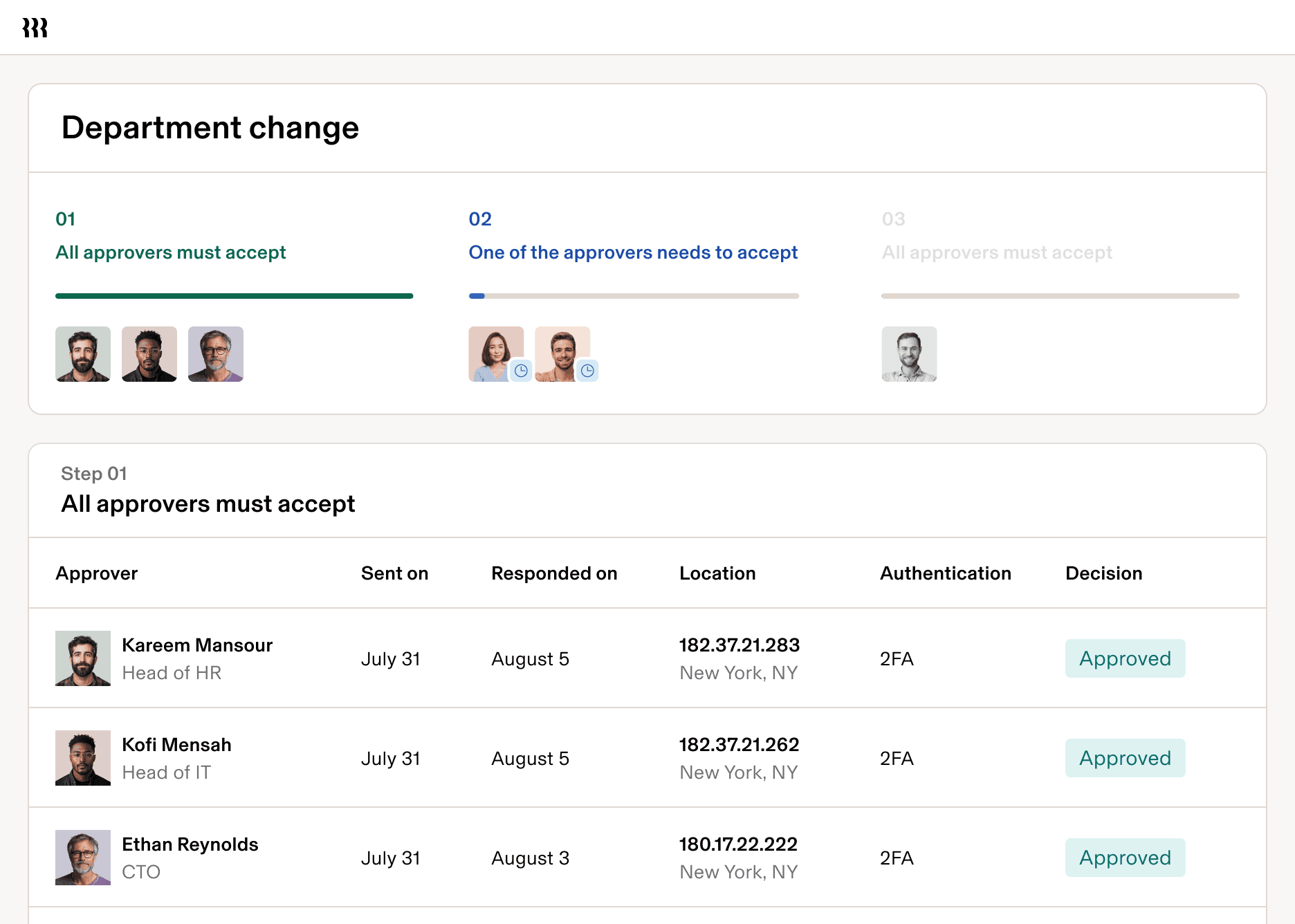
Automatically route requests to the right approvers
Rippling routes approvals based on employee attributes, like tenure and department. This means requests will continue to reach the right person — even as your organisation evolves.
Custom approval chains
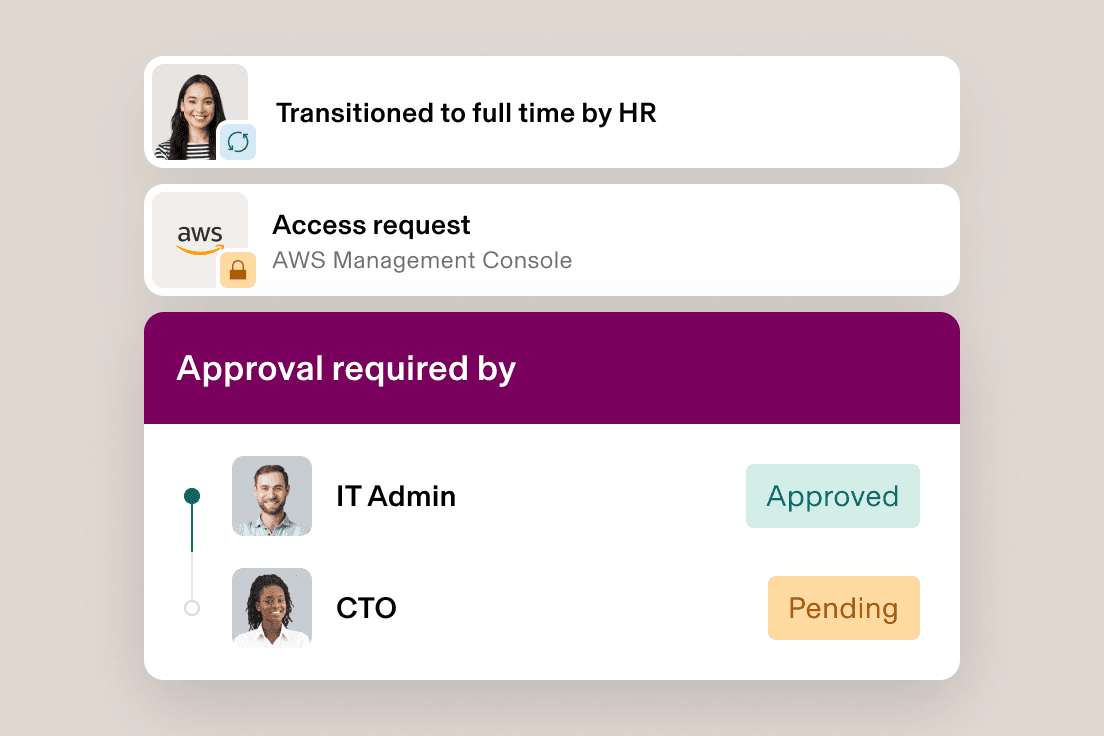
Design any approval chain, no matter how complex
Build approval chains that respond to the dynamics of your business. Rippling supports multi-approver logic and can handle complex situations, like re-routing a request if its primary approver is on holiday.
Role-based permissions
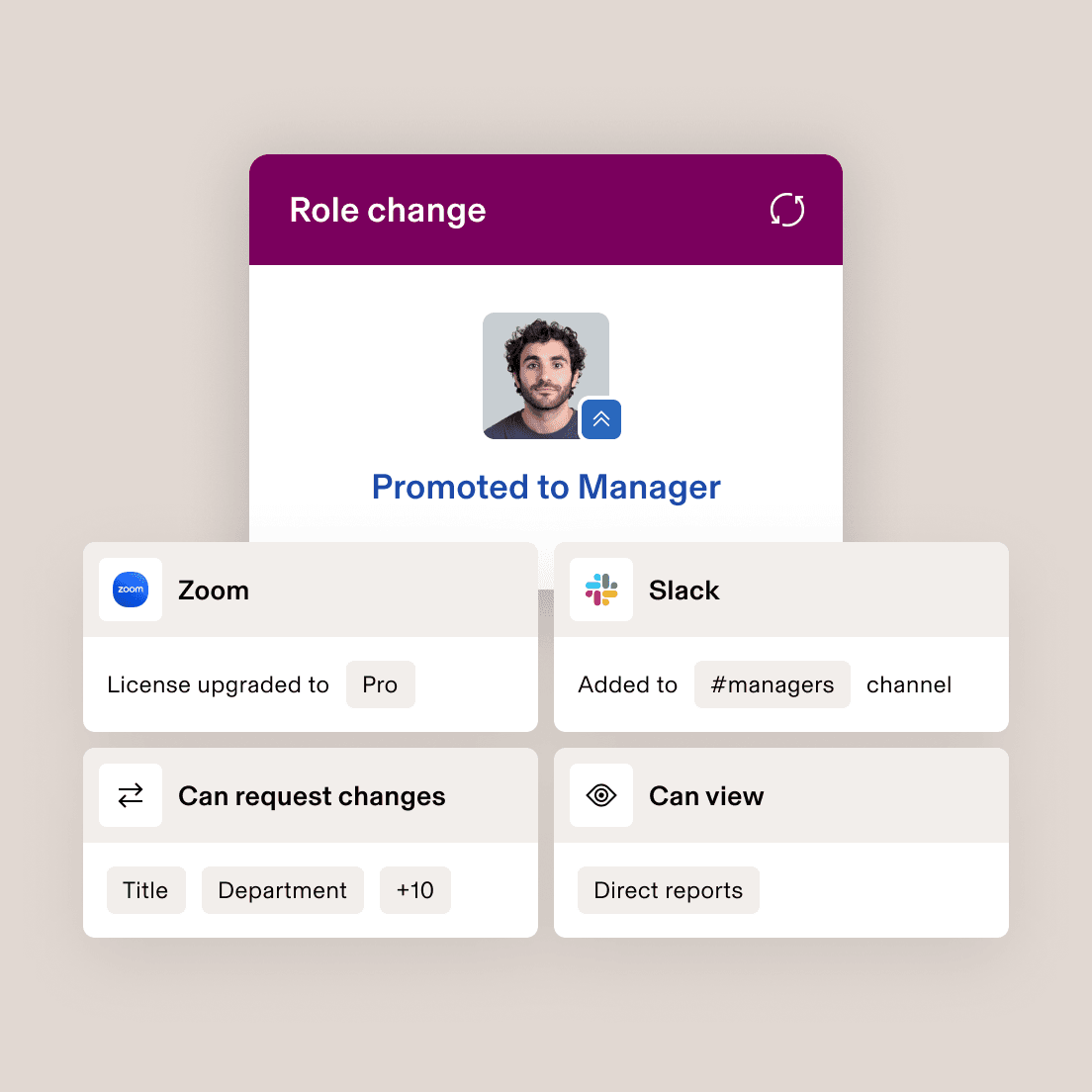
Update permissions when roles change — automatically
Permissions profiles are attached to attributes, not people. When someone's permissions are about to change, you'll see what they're gaining — and losing — access to.










Built different
Learn more about the Rippling platformAnalyse, automate, and orchestrate anything
Most all-in-one software consists of acquired systems. These modules are disconnected, so your business data is too. Rippling takes a platform approach, building products on a single source of truth for all the business data related to employees. This rich, flexible data source unlocks a powerful set of capabilities.


“When our customers ask me about Appcues’ security and our onboarding and offboarding process, I can feel really good about the answers that I’m giving them. It’s just automatic.”
Sean Edwards
Head of Security at Appcues

“Rippling made it incredibly easy for us to get our SOC 2 report for the first time. We were quickly able to set up and enforce all of the security measures required for SOC 2, and our auditor had one consolidated place to review instead of six separate systems.”
Nick Stanish
Founding Engineer at Reserv
“We used to have a list we would spin up for every new employee with 30 things we'd have to get done. With Rippling, that list is now gone. Employee downtime is lower because my technician is spending more time on tech support and less time on manual onboarding steps.”
Brian Cahill
Head of IT at Frogslayer
FAQs
What are permissions?
Permissions are a set of access rules that define what actions a user can perform within a system or application. They are organised into permissions profiles, which include factors like permissions scope, employee data access rules and app access rules. Permissions allow admins to manage who receives what level of access and the scope of that access.
What are permissions profiles?
Permissions profiles are collections of access rules defined and granted to specific people, consisting of key factors such as permissions scope, employee data access rules, Rippling app access rules, third-party access rules and assignees.
What is approval management?
Approval management involves configuring and managing the process of obtaining necessary approvals for various actions or changes within an organisation. It includes setting up rules for who needs to approve, under what conditions and in what order. This process can be automated to include warnings and mandatory approvals when recommendations fall outside of guidelines, helping to control costs and ensure compliance.
What is an approval workflow?
An approval workflow is a process that ensures modifications or actions are approved by designated individuals before execution. It involves steps where requests are submitted, reviewed and either approved or rejected, often using a system to manage and track these stages.
How do you create an approval process?
To create an approval process, follow these steps:
Define approval policies: Establish separate approval policies for different actions such as hiring, termination and transitions. For example, a new hire from engineering might need approval from their reporting manager.
Obtain approvals: Ensure that all necessary stakeholders are aware of the action and have given their approval. This can be done through various communication channels, but approvals must be documented in the appropriate approval document.
Use templates for notifications: Develop consistent templates for email and Slack notifications to inform relevant parties about approval requests and decisions. This ensures a standardised communication process.
See Rippling IT in action
See how Rippling IT can help you manage your identity, devices and inventory in one platform.