



















Newsletter

We value your privacy. Learn more.
Unlock business-critical insights and delegate tedious tasks to AI built for HR, Payroll, IT, and Finance.
Learn more
Get engineer-built custom apps in Rippling to automate any business process you have.
Learn more

Employer of Record
Hire globally without entities

Global Payroll
Pay employees anywhere

Global Contractors
Pay contractors anywhere

Contractor of Record
Mitigate contractor risk

Global HRIS
Run global HR in one place

Global HR Advisor
Get localized HR expertise

Global Benefits
Manage benefits anywhere

Global Spend
Save everywhere you operate

Customer Stories


Barry’s empowers their workforce with a scalable HR solution

Forterra automates busywork to drive impact

Chess.com creates a frictionless people process

Clay grew 5x by automating 80% of its onboarding tasks

Blank Street Coffee saves 40 hours by automating open enrollment

Rippling gave Andros automation superpowers


EN
United States (EN)


Australia (EN)

Canada (EN)
Canada (FR)

France (FR)

Germany (DE)

Ireland (EN)

United Kingdom (EN)
EN
United States (EN)
Australia (EN)
Canada (EN)
Canada (FR)
France (FR)
Germany (DE)
Ireland (EN)
United Kingdom (EN)
EN
United States (EN)
Australia (EN)
Canada (EN)
Canada (FR)
France (FR)
Germany (DE)
Ireland (EN)
United Kingdom (EN)
OpenAI’s former controller explains how you get your finance team to adopt AI and build tools that are actually useful.
Note from the author
“AI in finance/accounting” sounds great. But, how do you build a culture that leads your team to consistently find new (powerful) use cases for AI that are relevant to your team’s work?
That’s what we’re diving into today…
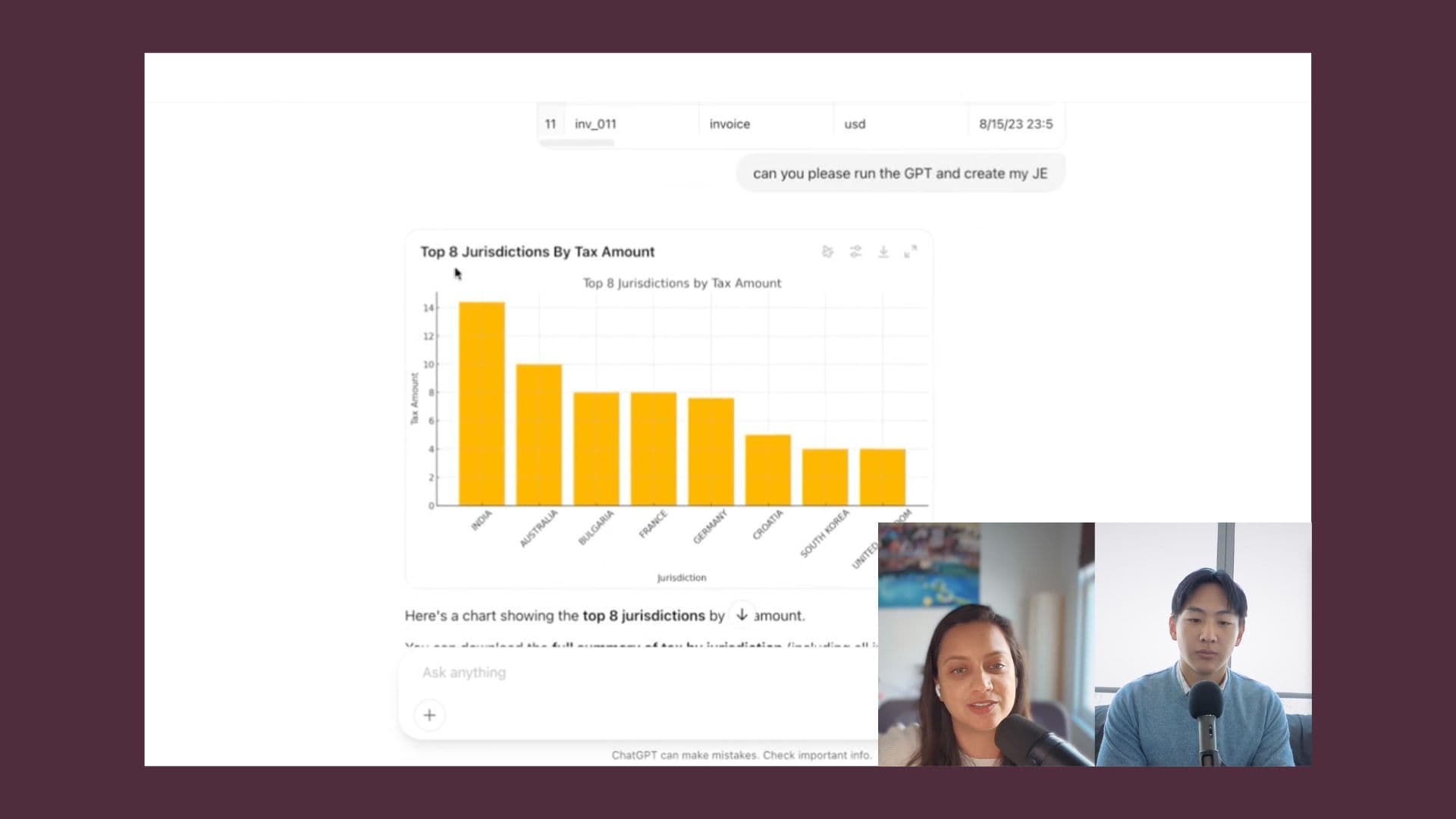
ICYMI: Join our exclusive interview showing with OpenAI’s former Controller, Sowmya Ranganathan. Get her framework for building AI-powered accounting processes at OpenAI and three ChatGPT use cases for accounting.
Today's key takeaways:
AI culture: How to build it the right way
Action audit: Host your first hackathon
Hot link: New crypto ETF launching soon
Stripe data: AI startups = faster than SaaS ever was
If you don't have a highly technical team or engineers embedded within your finance department, you can still build an AI-first culture that encourages your team to identify, create, and implement powerful AI use cases.
Simply declaring "We need to use AI now!" is vague and adds pressure to your team and makes them more reluctant to embrace these tools. Mandates without support or structure will create more resistance rather than innovation.

Instead, Sowmya brought a common practice from engineering to her finance team at OpenAI:
"We would have team offsites and I would take two, three hours off of that schedule and say, 'This is going to be a finance hackathon.’
Finance teams don't usually do hackathons. So what even is that?
The format was simple but effective:
Team members suggested problems they wanted to solve
They self-organized into small groups
Each group spent two hours exploring solutions with ChatGPT
Teams demonstrated their results in a one-hour showcase
Small prizes created friendly competition
This approach yielded practical innovations while building comfort with AI tools. Eventually, this bottom-up experimentation aligned with top-down objectives:
"We encouraged bottoms-up adoption and we continue to host these hackathons. But then we also have OKRs and other performance goals tied to what could be streamlined and automated."

Reflecting on her OpenAI experience, Sowmya predicts a fundamental shift in accounting team structures:
"The teams of the future will be smaller, they will have more breadth, they will be more plugged into the product and the business. What people really need in this new world is agency. You see a problem, you recognize it's a problem by yourself, and go try to solve it by yourself."
This requires a mindset shift from valuing manual effort to prioritizing outcomes:
"If you take a lot of pride in your manual work, you need to question why and channel that energy to a different way of getting things done. If you were the founder of a business, you care about the outcomes. You don't really care about how long it took someone to do something."
For finance leaders looking to apply these lessons to their own organizations, Sowmya offers this advice:
Invest in finance data infrastructure: Put your data warehouse at the center of your finance operations, not as a downstream reporting function.
Embed AI into your tech stack: Choose vendors with AI capabilities already built in rather than trying to layer AI onto legacy systems.
Give direct AI access: Empower the people closest to problems with AI tools rather than centralizing AI capabilities.
Create low-stakes learning environments: Hackathons and exploration time build comfort with AI tools without performance pressure.
Start small and test constantly: Cross-check AI outputs against known good data until you build confidence in the results.
In this can't-miss session, you'll discover:
Practical AI applications you can implement today
How to build trust in AI outputs
The finance tech stack of the future
Real transformation stories
Start with a familiar process: Choose one monthly recurring task everyone knows well and use AI to reimagine it, building confidence through working with familiar data.
Run a 2-hour mini-hackathon: Have team members tackle one manual process with ChatGPT and award a small prize for the best solution.
Create a repository of AI wins: Create a shared channel for team members to post successful AI use cases and time saved. Highlight these in meetings to build momentum.
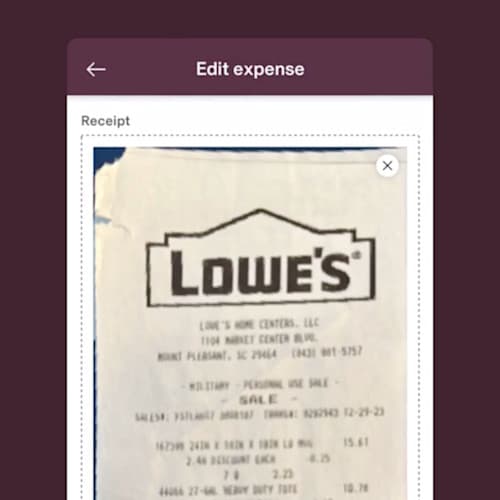
Whether we realize it or not, AI is already embedded in many of the tools we use everyday, including Rippling Spend.
📸Employees can take photos of their receipts and AI extracts key information to turn those receipts into ready-to-submit expenses.
Want to modernize your spend management? See Rippling Spend.
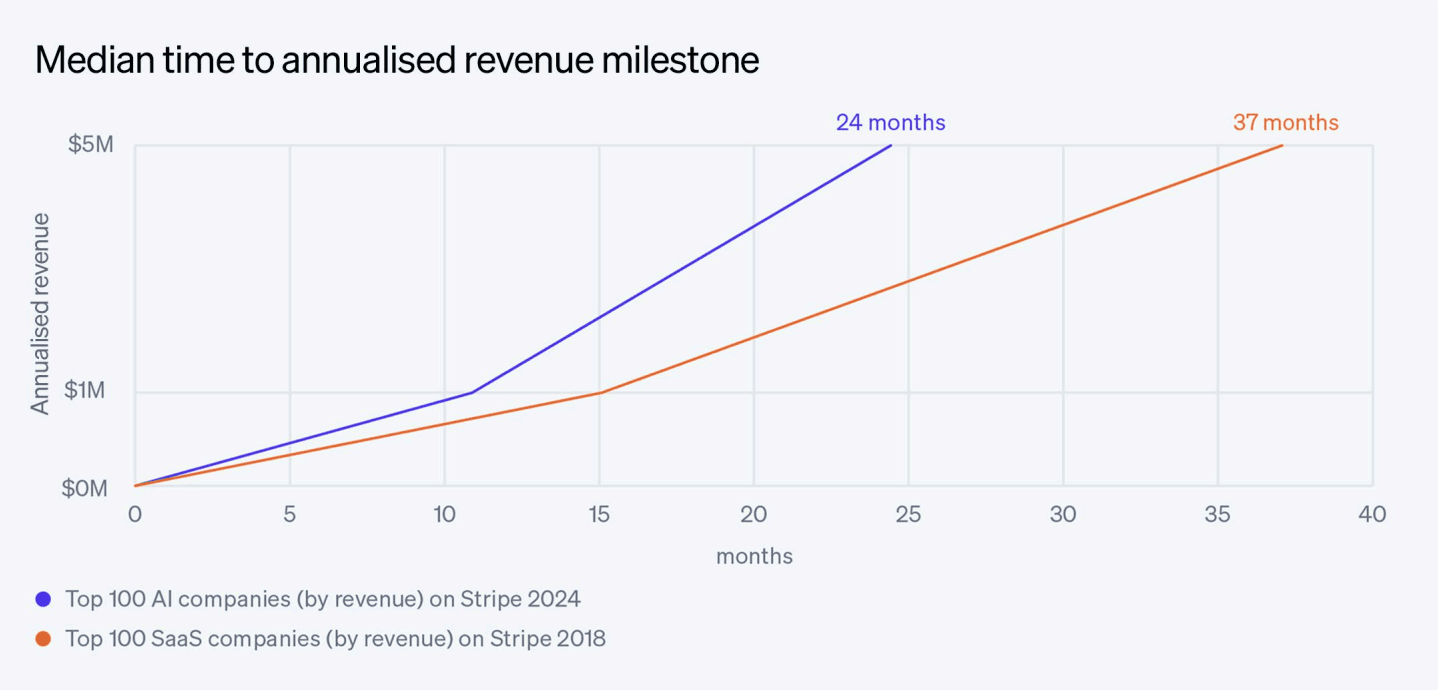
AI startups reach $5M ARR 13 months faster than SaaS in 2018
Stripe charts the “median time to annualised revenue milestone” for the top 100 AI companies on (by revenue) on Stripe in 2024 vs. the top 100 SaaS companies (by revenue) on Stripe in 2018.
Why Clay ditched LTV:CAC (and you should too)
The SaaS metric everyone swears by has a dirty secret. Here’s one CFO's solution that actually works.

Stop building AI for perfect conditions
Rippling’s Ankur Bhatt shares how brittle workflows break AI agents — and the frameworks teams need to ship reliable, reasoning-driven agents into production.
Introducing The Glue: the community to help you through all the sticky problems facing HR.
If accepted,* your membership will unlock access to peer led forums, exclusive events, and premium content.
*Applications are reviewed weekly and invitations are limited.
We value your privacy. Learn more.