





















Source: Rippling
We ranked the 38 best HCM software options in Australia
In this article
Key takeaways: Top 3 HCM software in Australia
- Rippling – Best overall HCM software for Australian businesses
- Deel – Best for managing global teams
- ActionHRM – Best local HCM for mid-sized organisations
Quick comparison: Rippling leads for its unified HR-IT-payroll system and automation, Deel simplifies cross-border hiring, and ActionHRM stands out for its Australian compliance focus.
If you’ve ever tried managing HR with spreadsheets, you’ll know how quickly you can lose track of employee details. You might struggle to answer questions like the number of leave days an employee has, or whether the correct data is being reported to the ATO.
When you don’t have the proper HR software, it not only wastes your time, but it can also lead to costly compliance issues and frustrated staff. Human capital management (HCM) software is a way to bring everything together. It can automate compliance tasks, store employee data, and save you hours of manual admin every week.
To find the best options available in Australia, we analysed 38 HCM platforms across features, pricing, scalability, compliance, and customer reviews. After scoring each one using a weighted framework, Rippling came out on top as the best HCM software in Australia.
Here’s how the top contenders ranked, and which ones deliver the best results for Australian teams in 2025/2026.
A note on transparency: Our product is included in this list. To stay objective, we used the same scoring criteria for every platform, based on public information and hands-on testing. You can view our full results here.
Platform | Best for | Choose this if | Starting price |
|---|---|---|---|
1. Rippling | Growing companies that need both global and local HR | You want HR, IT, and payroll in one platform with Australian compliance built in | Starts at $12 AUD per employee per month |
2. Deel | Global teams managing international payroll and compliance | You hire contractors or employees overseas and need fast, compliant onboarding | Not public |
3. ActionHRM | Australian mid-sized businesses wanting localised HR | You want customisation and strong compliance support | Not public |
Enterprises with complex payroll and compliance needs | You manage large-scale payroll and compliance for more than 50 employees | Starts at $150 USD per month | |
5. Ascender | Enterprise-level Australian and New Zealand organisations | You need scalable HR and payroll with strong local compliance and reporting | Not public |
6. Dayforce | Large organisations needing end-to-end enterprise HR | You want one global system for payroll, performance, and compliance | Not public |
7. ELMO | Mid-sized Australian and New Zealand businesses wanting full HCM coverage | You want integrated HR and payroll with local support and strong analytics | Not public |
8. PeoplesHR | Australian companies wanting an all-in-one HR suite | You want fast implementation with compliance and modular options | Not public |
9. Workday | Global enterprises needing workforce analytics | You want advanced reporting, scalability, and deep integration options | Not public |
10. Employee Connect | Mid-sized Australian organisations | You want a simple platform that integrates easily with payroll and performance tools | Not public |
11. Employment Hero | Australian businesses needing local compliance | You manage awards, handle STP, and want Australian-based support hours | Starts at $8 AUD per employee per month |
12. HiBob | HR teams prioritising culture without needing Australian payroll | You want flexible HR workflows and engagement tools, but no payroll | Starts at $16 USD per employee per month |
13. Lattice | Businesses focused on performance and engagement | You want to build performance reviews and culture programs in one place | Not public |
Large organisations needing advanced analytics | You want an enterprise-grade HCM with compliance and talent tools | Not public | |
15. Sentrient | Australian companies focused on compliance and training | You need HR, onboarding, and WHS tools in one easy platform | Not public |
16. Sage HR | Large companies needing a modular HR platform | You want simple employee management and payroll integrations | Not public |
17. Tanda | Australian businesses needing rostering and HR tools | You manage shift workers and want STP-compliant payroll integration | Not public |
18. Workable | Hiring managers who need an applicant tracking system | You want an easy hiring platform with job posting and interview scheduling tools | Starts at $299 USD per month |
19. Worknice | Growing Australian businesses needing flexibility | You want modular HR software with clean design and local integrations | Not public |
20. Xemplo | Australian SMBs focused on HR compliance | You want automated contracts, onboarding, and Fair Work compliance tools | Not public |
21. Justworks | Small to mid-sized teams needing HR and benefits | You want a combined HR and payroll solution with compliance built in | Not public |
22. Oracle HCM Cloud | Large enterprises needing full HR transformation | You want a global HCM suite with advanced analytics and integration | Not public |
23. BrightHR | Small businesses wanting simple, affordable HR | You want easy employee record keeping, leave tracking, and advice lines | Starts at $6 USD per employee per month |
24. Deputy | Australian SMBs managing shift and hourly staff | You want easy rostering, timesheets, and payroll integration | Starts at $7.50 AUD per employee per month |
25. foundU | Australian companies needing payroll and workforce management | You want an all-in-one HR and payroll system with STP Phase 2 support | Not public |
26. Gusto | Small businesses needing simple payroll and HR | You want a user-friendly HR system with integrated benefits | Not public |
27. HR Cloud | Small businesses focused on employee engagement | You want onboarding and performance management in a flexible tool | Not public |
28. HR Partner | Small teams needing affordable HR tools | You want simple leave, onboarding, and record management features | Starts at $104 USD one-time |
29. Entire OnHire | Recruitment and staffing agencies | You manage onboarding, compliance, and rostering for casual or shift staff | Not public |
30. One Model | Enterprises focused on HR data analytics | You want people analytics and workforce insights at scale | Not public |
31. Remote | Distributed companies hiring internationally Businesses prioritising employee engagement and feedback | You employ remote staff globally and need compliant cross-border payroll | Not public |
32. Culture Amp | Businesses prioritising employee engagement and feedback | You want best-in-class surveys and performance insights for teams | Not public |
33. BambooHR | Small teams wanting a clean, easy-to-use HR platform | You need quick onboarding, self-service options, and employee record management | Starts at $250 USD per month |
34. HappyHR | Australian SMBs wanting a straightforward HR platform | You want compliant onboarding, contracts, and performance tools | Not public |
35. Humanforce | Medium businesses managing shift and deskless workers | You need HR, time tracking, and payroll tailored for Australian industries | Not public |
36. Multiplier | Global companies needing compliant payroll and hiring | You hire internationally and need global EOR and HR tools | Not public |
37. PageUp | Enterprises focused on recruitment and learning | You want applicant tracking and performance in one modular system | Not public |
38. Xref | Companies needing fast, automated reference checks | You want secure candidate verification and compliance tracking | Not public |
*Pricing based on publicly available data as of October 2025. Always confirm with providers for the latest details.
The 13 best HCM software options in Australia
Now that you’ve seen the full rankings and how we scored them, here’s what stood out in testing.
We’ve taken our top 13 contenders and outlined what each tool does well, where it can fall short, and what real customers have to say about it.
Rippling
Deel
ActionHRM
ADP Workforce Now
Ascender
Dayforce
ELMO
PeoplesHR
Workday
EmployeeConnect
Employment Hero
HiBob
Lattice
1. Rippling
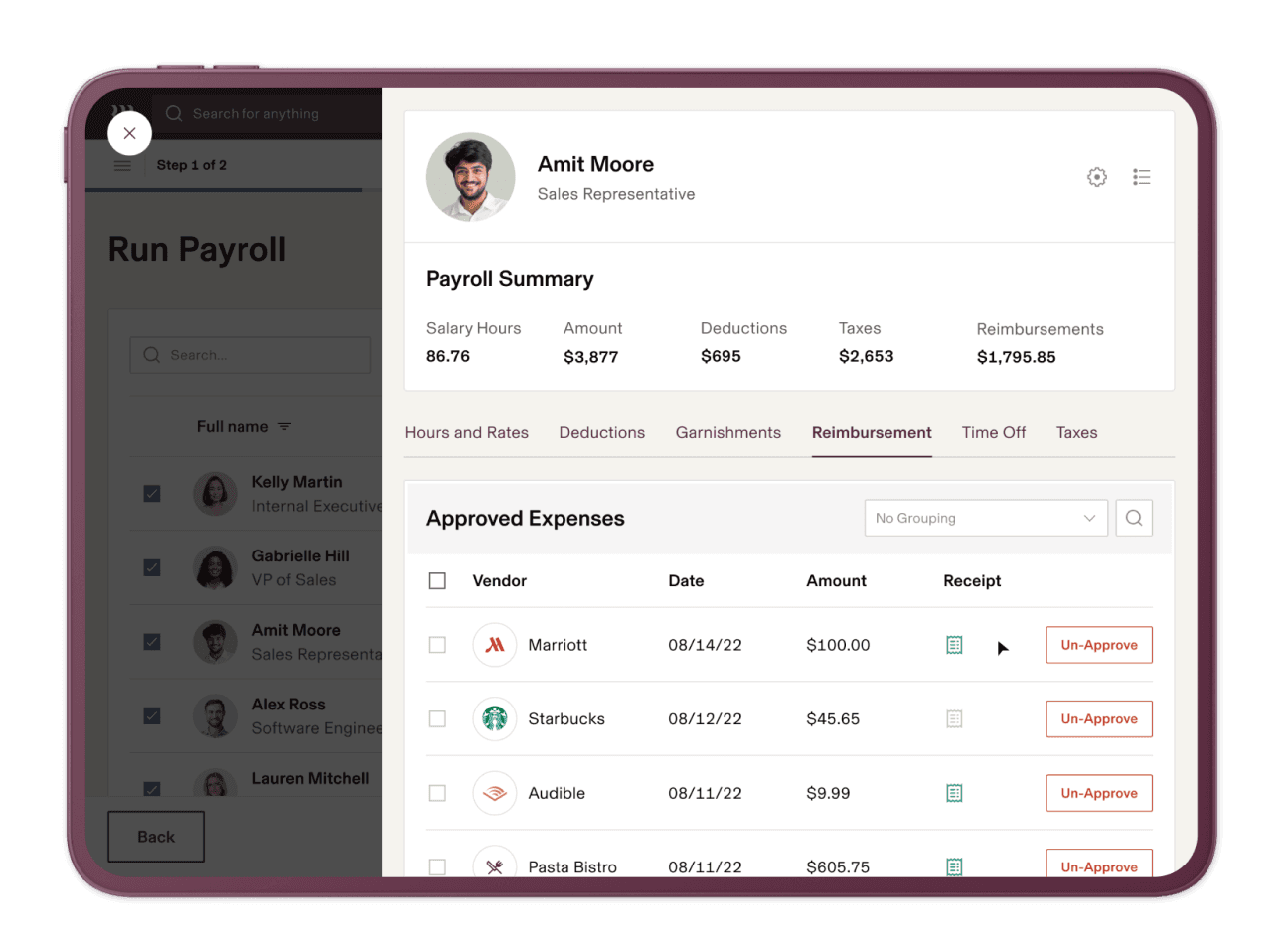
Rippling covers everything you’d expect and more from an HCM, all in one place. It combines HR, IT, and people management, so you can handle admin, onboarding, training, and performance in a single platform instead of switching between tools.
What makes Rippling different is how deeply connected everything is. For example, when someone joins or changes roles, the system can automatically set up their payroll, software accounts, and even device access. It’s one of the only HR platforms that can do this, as it manages both people data and IT access together.
For Australian businesses, Rippling is also fully set up for local compliance. Its payroll supports STP Phase 2 reporting and super contributions out of the box, so you don’t need to use separate systems to stay ATO-compliant.
Onboarding is also one of its strongest features. New hires can be added, given access, and assigned training in minutes. Managers can then track goals, feedback, and assign training all from the same dashboard.
Starting price: $12 AUD per employee, per month.
Why do companies choose Rippling?
- 600+ integrations connecting HR, IT, and finance tools
- Automates onboarding, app access, and device setup for new hires
- Built-in Australian compliance, including STP Phase 2 and superannuation
- Instantly syncs changes across payroll, permissions, and reports
“The platform is almost TOO easy to use, both as an admin and as an employee. The company is very active with improvements. The dedicated account team is fantastic. We have automated so many manual tasks with Rippling.” - Rippling Capterra review
User-flagged challenges
Award interpretation and advanced HR features may require add-ons
Limited live phone support
The platform’s flexibility can take time to fully customise
Is Rippling right for your business?
Rippling suits Australian businesses that want one connected system to handle HR, IT, and compliance with minimal manual effort. It’s ideal for fast-growing teams or multi-entity companies needing a single system that will grow with them.
The only true all-in-one HCM solution
2. Deel
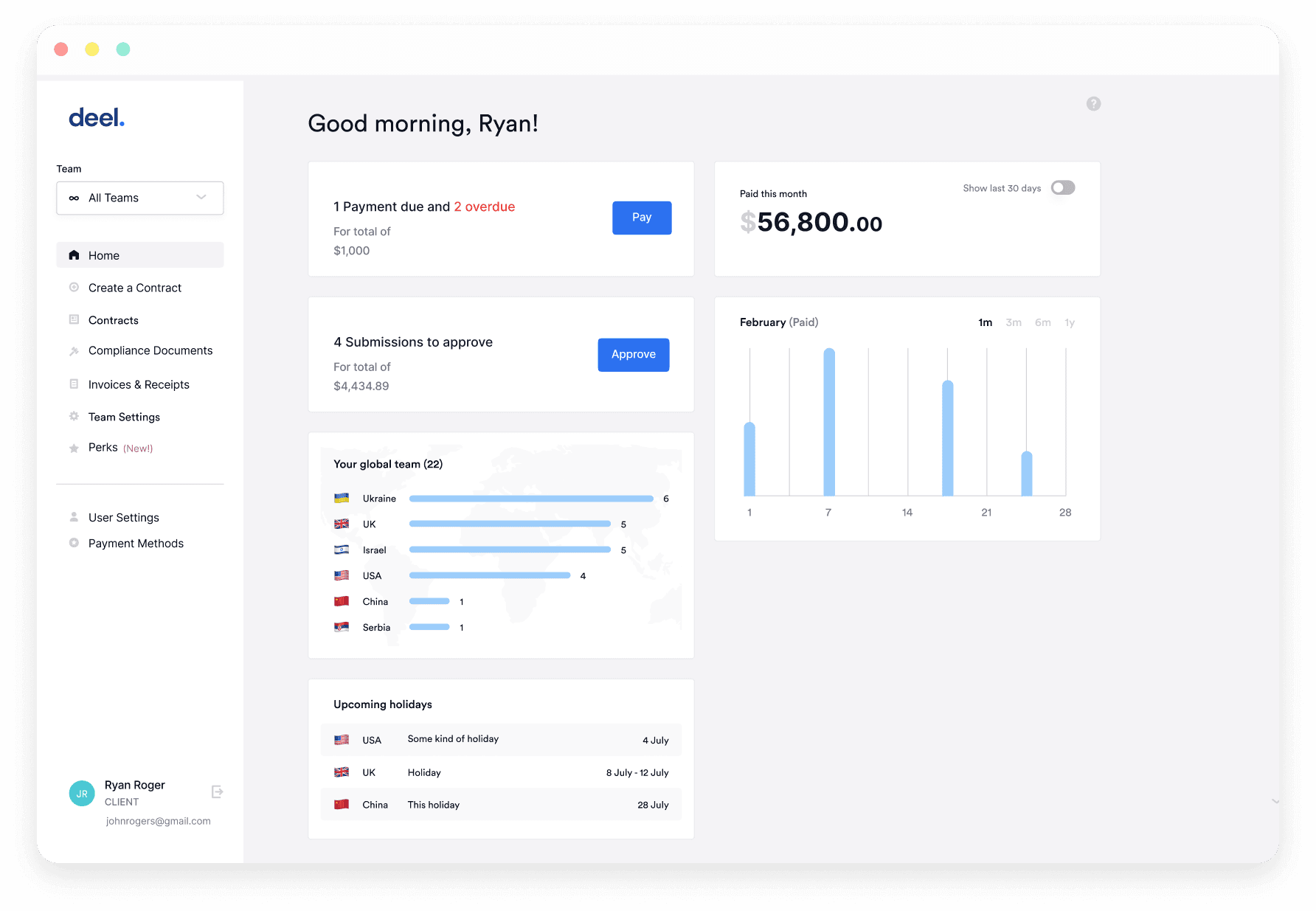
Deel is designed for businesses that manage people across different countries and want one place to handle it all. You can hire in more than 150 countries, create locally compliant contracts, and automatically apply the right tax and employment rules for each region.
The onboarding process is also simple. You can invite new hires, collect their information, and get contracts signed within minutes. From there, it’s easy to manage time off, expenses, and performance from the same dashboard. This keeps everything organised and consistent, no matter where your team is working.
Starting price: Not publicly listed.
Source: GetApp
Why do companies choose Deel?
- Covers HR, onboarding, and payroll for both employees and contractors
- Supports hiring in over 150 countries with automatic local compliance
- Quick onboarding and contract setup for remote teams
- Integrates with major tools like Xero, QuickBooks, and Slack
“What I like the most about Deel is how easy it makes managing international contracts and payments. The platform is very intuitive and eliminates a lot of bureaucracy, which saves time and prevents errors.” - Deel Capterra review
User-flagged challenges
Customer support can be slow or difficult to reach
Initial setup and configuration can take time
Pricing can be high for smaller teams compared to simpler HR tools
Is Deel right for your business?
Deel is perfect for Australian companies that hire or contract people overseas and need a system to keep everything compliant. This works especially well for startups and mid-sized businesses that want global reach without managing separate local entities.
3. ActionHRM
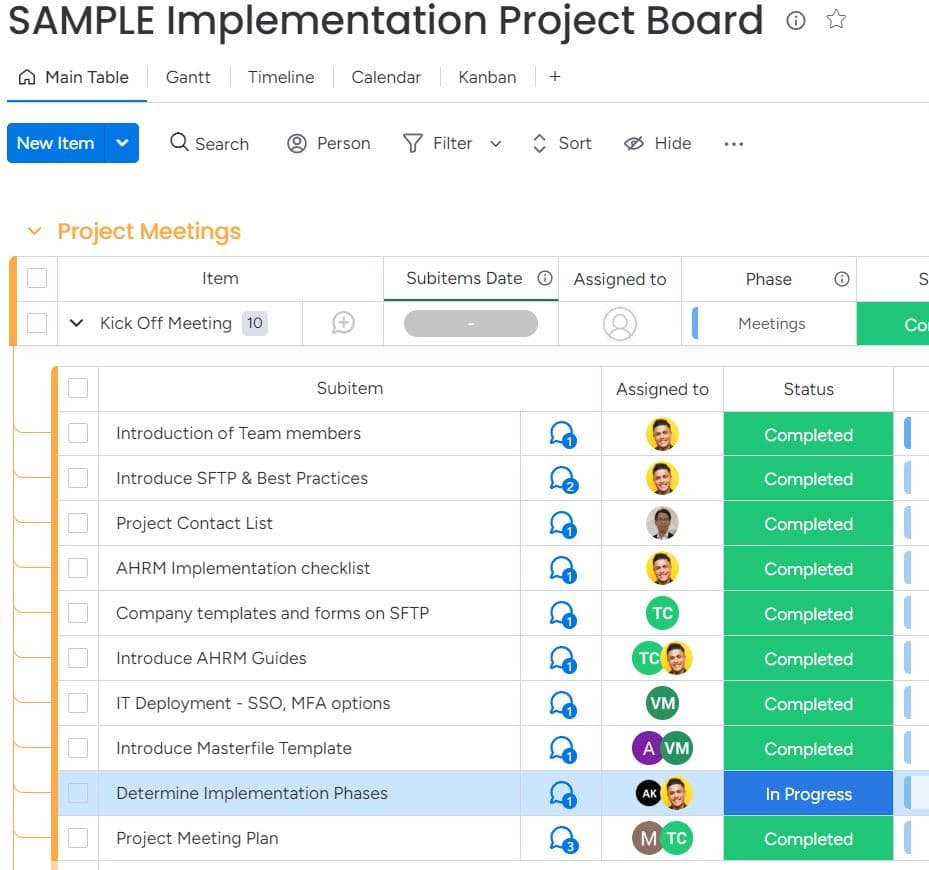
ActionHRM is an Australian-based HCM platform built to manage the full employee lifecycle. This includes recruitment and onboarding through payroll, compliance, and performance. It’s a cloud-based system designed for mid-size and enterprise organisations that want HR tools without the complexity of a global platform.
Something helpful about ActionHRM is that it can be tailored for different industries and compliance needs. This makes it a good fit for businesses that operate under Australian employment laws and awards.
Starting price: Not publicly listed.
Source: ActionHRM
Why do companies choose ActionHRM?
- Its flexible setup with tools for mid-size and enterprise businesses
- Designed for Australian requirements and award interpretation
- Good customer support and an easy implementation process
“This tool provides a centralised repository for employee data, making it easier to manage and access information related to employees, performance, benefits and more.” - ActionHRM G2 review
User-flagged challenges
Limited customisation and integrations compared to larger platforms
Interface can feel dated and not simple to navigate
Occasional bugs and slow customer support help
Is ActionHRM right for your business?
ActionHRM suits Australian organisations that want a locally supported HCM platform focused on compliance, automation, and ease of use. It’s especially useful for mid-sized teams that need structured HR tools without paying enterprise-level prices.
4. ADP Workforce Now
ADP Workforce Now is one of the most established HCM systems globally, and it shows in its depth. Unlike many newer cloud-based tools, ADP is built for large, complex organisations that need detailed payroll, compliance, and reporting. It also has particularly good automation, with payroll, tax filing, and benefits syncing automatically in the background.
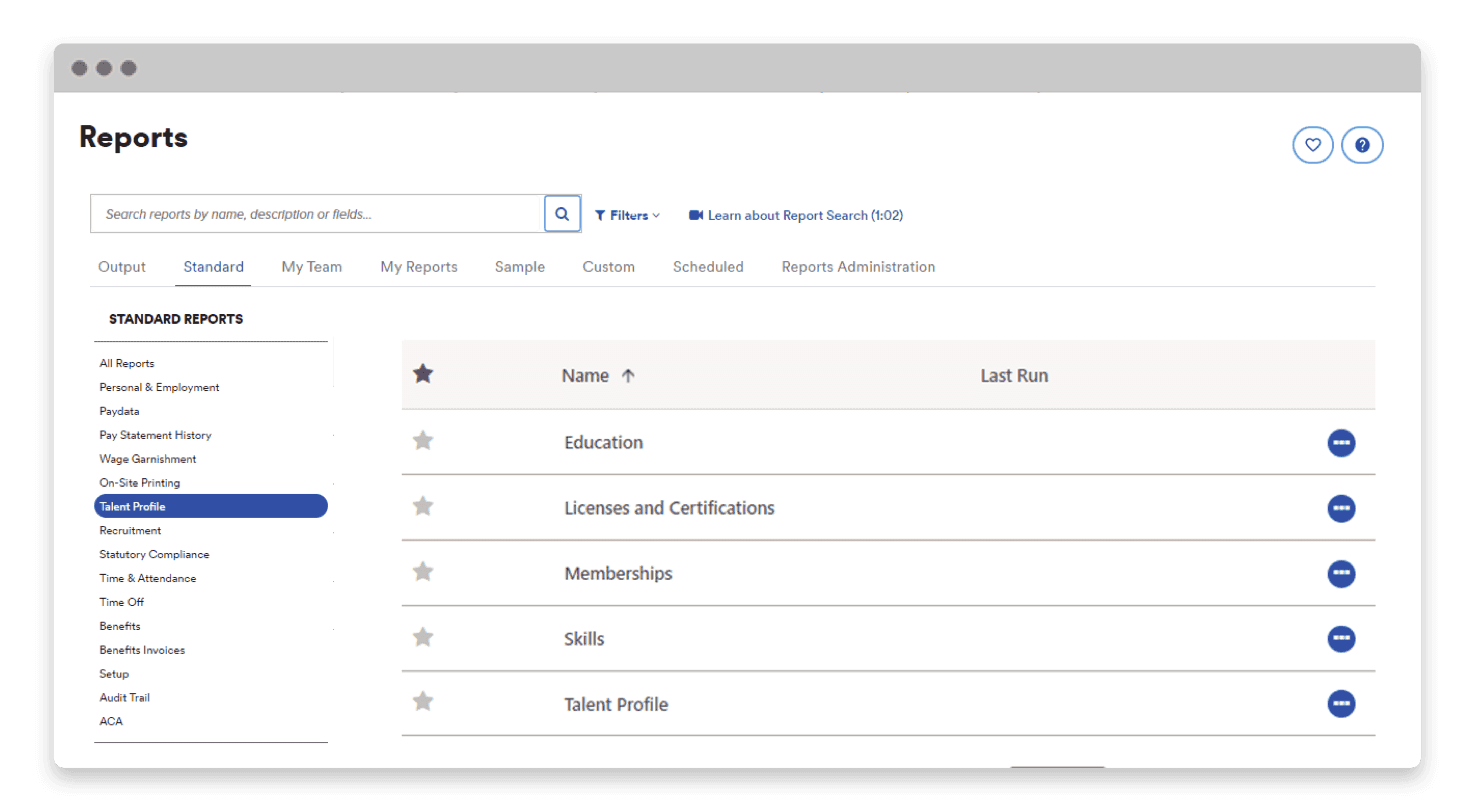
For Australian and international teams, ADP’s biggest advantage is scalability. It’s designed to handle enterprise-level headcounts, with layered permissions and compliance alerts. Its analytics and dashboards also give unique visibility into headcount, labour costs, and compliance metrics.
Starting price: $150 USD per month.
Source: ADP
Why do companies choose ADP Workforce Now?
- Strong reporting and analytics for finance and HR leaders
- Scalable across regions with plenty of integration options
- Reliable security that is SOC 1 & 2 certified
“I have used the product since 2017 as a high-level practitioner, with about 2800 employees over 3 company codes. I have found the payroll service to be reliable, of high quality and pretty user-friendly.” - ADP Workforce Now Capterra review
User-flagged challenges
Complex interface and reporting tools can take time to master
Mobile and app design feel dated compared to newer platforms
Customer support responses feel impersonal since it’s a large corporation
5. Ascender HCM
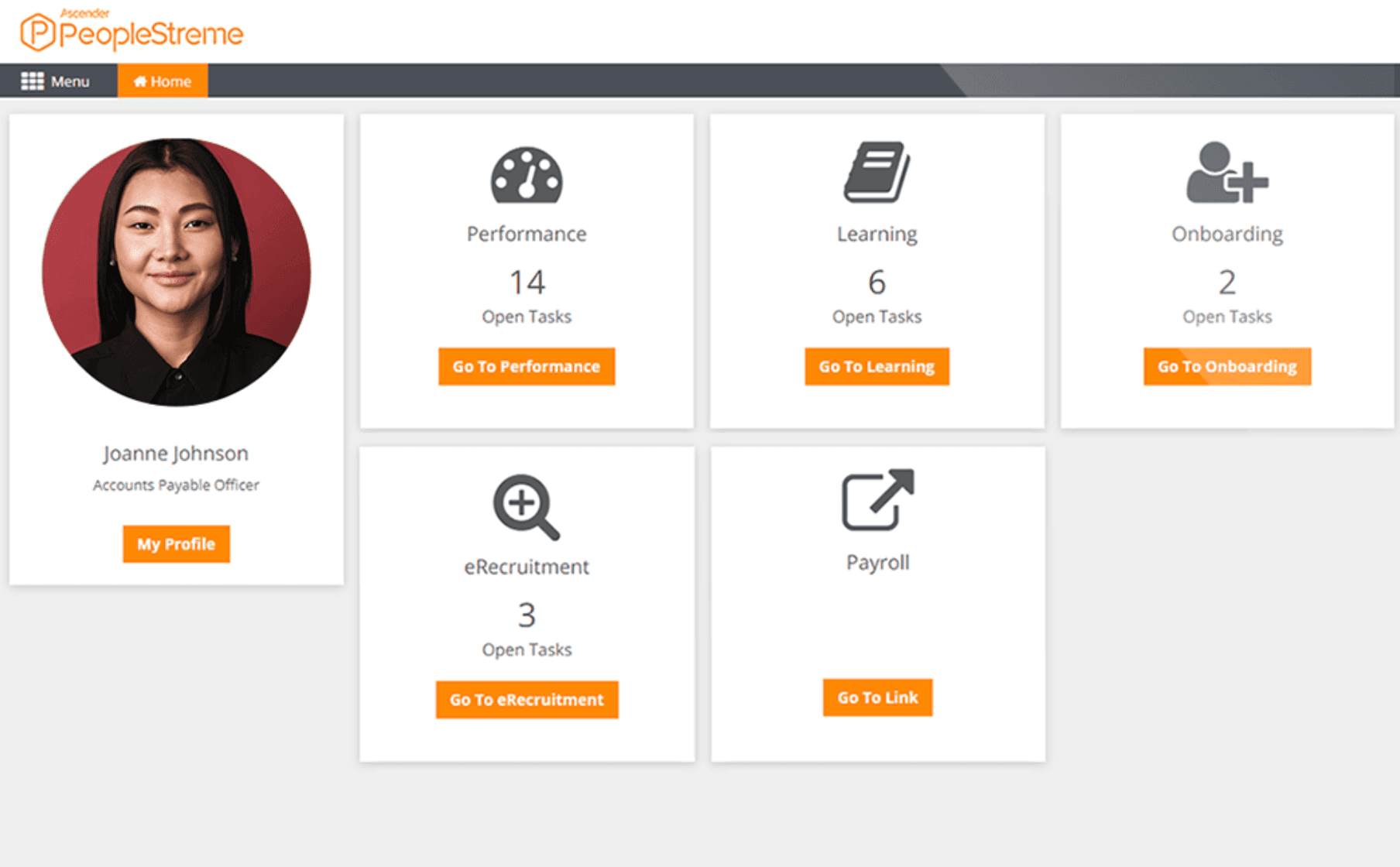
Ascender HCM is an Australian HR and payroll platform built for large or complex organisations. It’s designed to help you handle intricate payroll, compliance, and award interpretation with confidence.
It’s widely used across higher education, government, and finance, where enterprise agreements and strict regulations are needed. Every payroll run, superannuation contribution, and report is checked against Australian compliance requirements, making it a trusted option for teams that prioritise governance and reliability.
Starting price: Not publicly listed.
Source: Ascender HCM
Why do companies choose Ascender HCM?
- Proven reliability for complex payroll and enterprise agreements
- Deep compliance and localisation for the Australian market
- Local support teams with a long track record of providing good service
“Managers can see how powerful it can be and they want to use it! We now have plans that are truly tailored to each individual and everyone's KPI's actually link back to our company's strategic objectives.” - Ascender HCM Capterra review
User-flagged challenges
Features can feel disconnected, requiring manual workarounds
Customisation and setup can be costly and time-intensive
Some users reported frustration around the limited bulk upload options
6. Dayforce
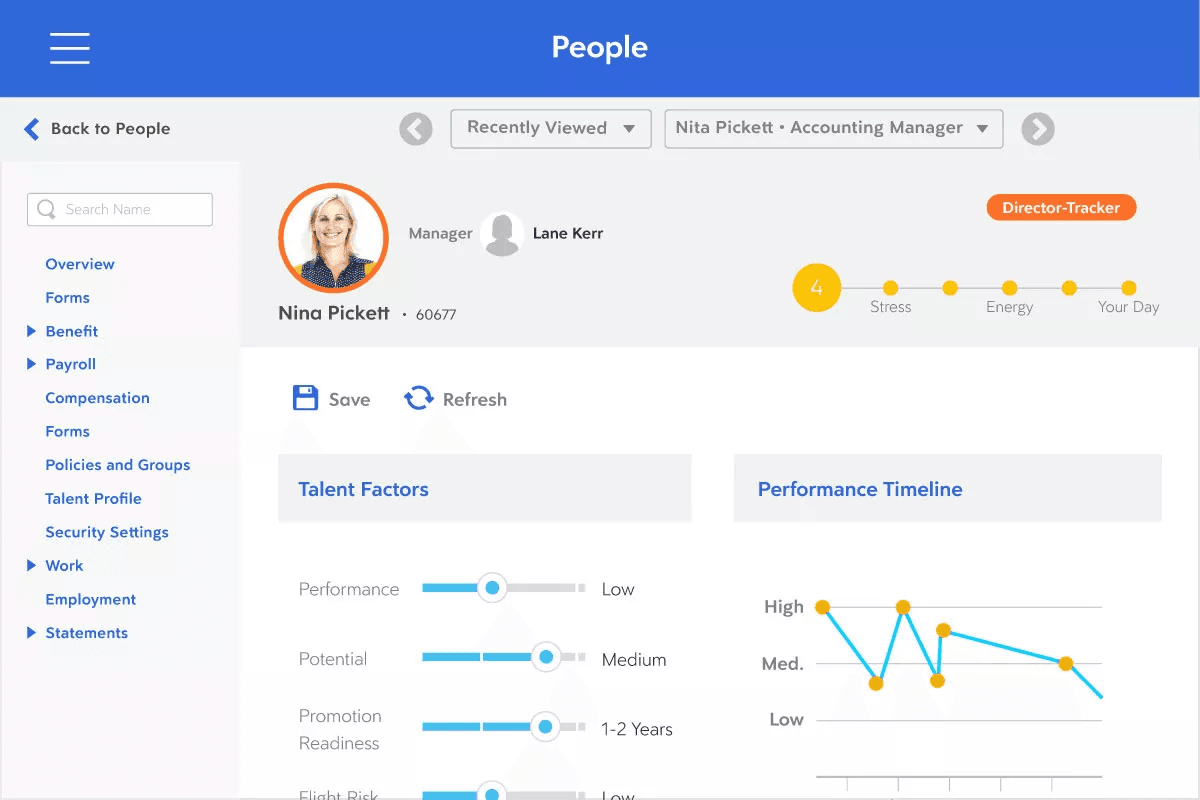
Dayforce is a full HCM platform designed for large and complex organisations that want everything in one connected system. It’s known for its depth and strong compliance capabilities, especially for enterprise teams operating across both Australia and New Zealand.
The platform also supports advanced scheduling, local compliance rules, and strong analytics, making it a top choice for industries like retail, finance, and higher education that need extra precision.
Starting price: Not publicly listed.
Source: Onactuate
Why do companies choose Dayforce?
- Deep compliance coverage for both Australia and New Zealand
- Reliable integrations with other trusted HR, finance, and IT systems
- 24/7 global support and a local Australian help line
“The refreshed design is attractive and easy to read. I like the helpful links section that allows the company to help users navigate to internal resources.” - Dayforce Capterra review
User-flagged challenges
Complex setup that can take time to configure fully
Some features still feel focused on North American markets
Reporting and analytics improvements often come at an added cost
7. ELMO
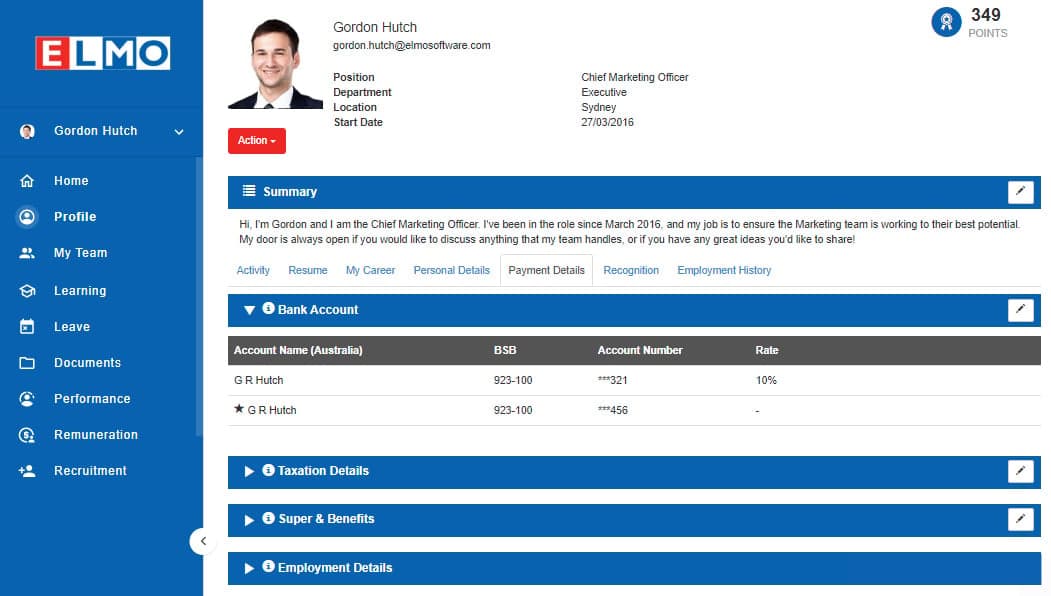
ELMO is an Australian-built HR and payroll system known for its flexibility and local focus. It helps mid-sized organisations manage recruitment, onboarding, learning, and performance in one place, without relying on overseas vendors or complicated integrations.
Users often mention the benefit of local support teams, regionally-hosted data, and regular updates that reflect local workplace legislation. Many also like that they can pick and choose from ELMO’s tools, so businesses can start with one thing (like HR or payroll) and add more features as they grow.
Starting price: $35 AUD per month.
Source: SoftwareWorld
Why do companies choose ELMO?
- Allows teams to add or remove functions as needed
- Streamlines admin-heavy HR tasks like onboarding and training
- Consistent product updates and user events for clients
“Overall I have enjoyed using Elmo, there seems to be a big shift towards user engagement which has been very positive and they are open to feedback” - Elmo Capterra review
User-flagged challenges
Some tools feel dated or take time to configure
Occasional issues with data not syncing between HR and payroll
Support quality can vary depending on your account manager
8. PeoplesHR
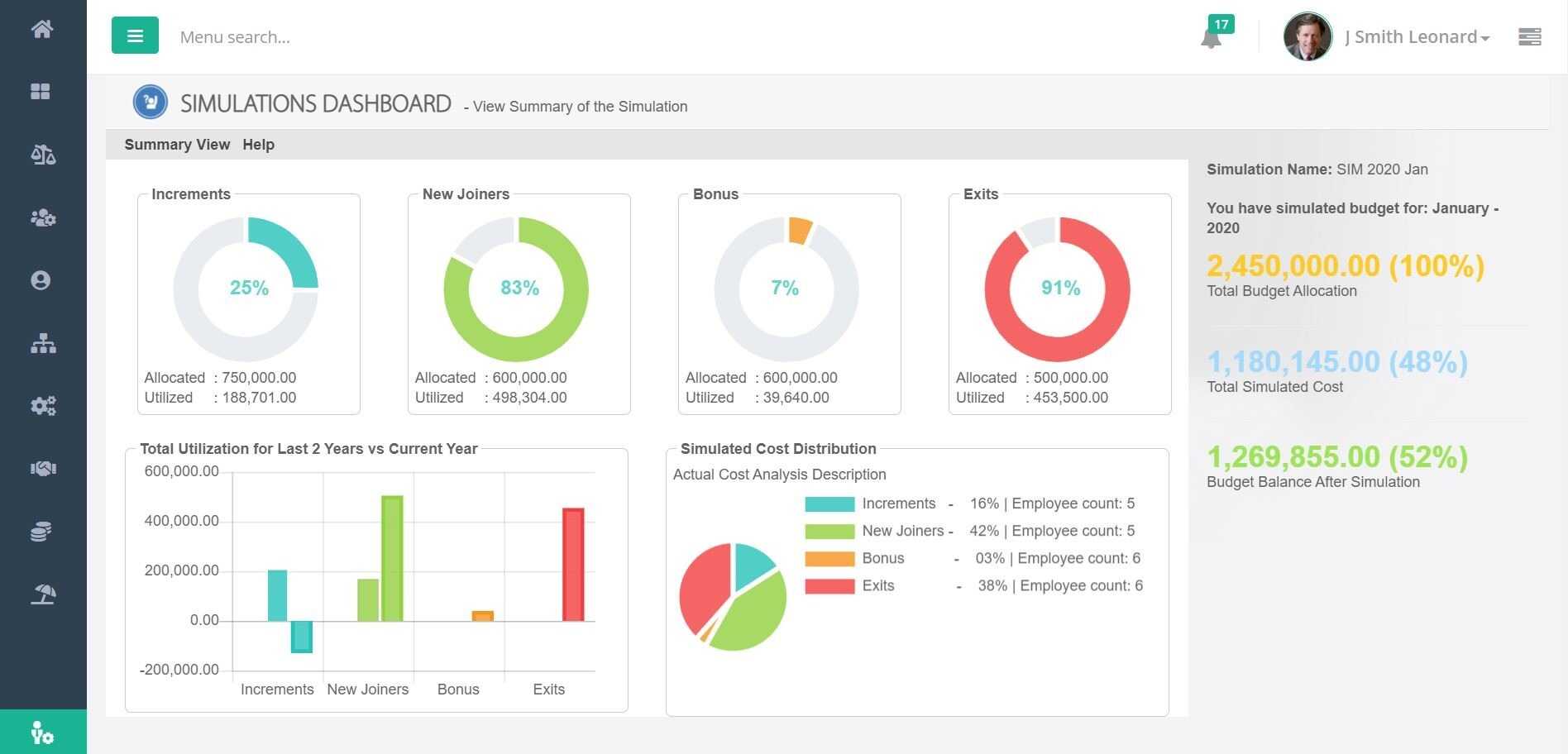
PeoplesHR is a full HCM platform widely used across Asia and the Middle East, making it a strong choice for businesses with teams in those regions.
The tool focuses on practical HR tools rather than flashy extras, helping teams manage feedback, sick leave, holidays, and staff documents in one place. The setup is also relatively quick, and users consistently highlight its reliable customer support.
Starting price: Not publicly listed.
Source: PeoplesHR
Why do companies choose PeoplesHR?
- Strong footprint across the Middle East and Asia
- Quick to roll out and easy for non-technical users
- An open API for basic integrations
“As an end user, I found the software to be very helpful in the daily HR tasks that we ourselves can handle, instead of having the HR involved.” - PeoplesHR Capterra review
User-flagged challenges
Limited integration options with external apps
Occasional bugs or setup issues during onboarding
Reporting and analytics are more basic than enterprise tools
9. Workday HCM
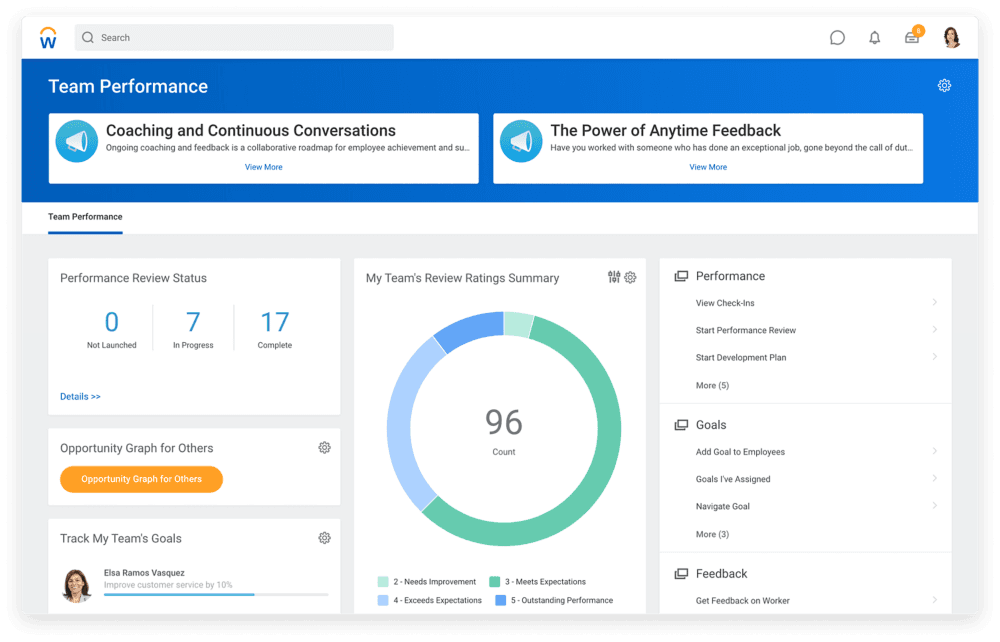
Workday HCM is one of the most advanced all-in-one HR systems on the market, built for large or fast-growing organisations. It’s great if you want full visibility across people, payroll, and performance in real time.
Its main advantage is depth and scalability. Workday combines HR, recruitment, learning, payroll, and analytics in one platform. The system is also known for its real-time reporting and predictive analytics, helping HR teams make data-driven decisions.
Starting price: Not publicly listed.
Source: Softobotics
Why do companies choose Workday?
- Enterprise-level scalability and automation
- Real-time analytics and strong reporting tools
- Integrated HR, payroll, and finance in one system
“I enjoyed using the app. It was easy to use, provided me with all my payroll information, and it was easy to keep track of my learning and mandatory courses.” - Workday Capterra review
User-flagged challenges
Interface can feel complex or click-heavy for new users
Implementation takes longer than smaller HCMs
Higher cost and maintenance requirements
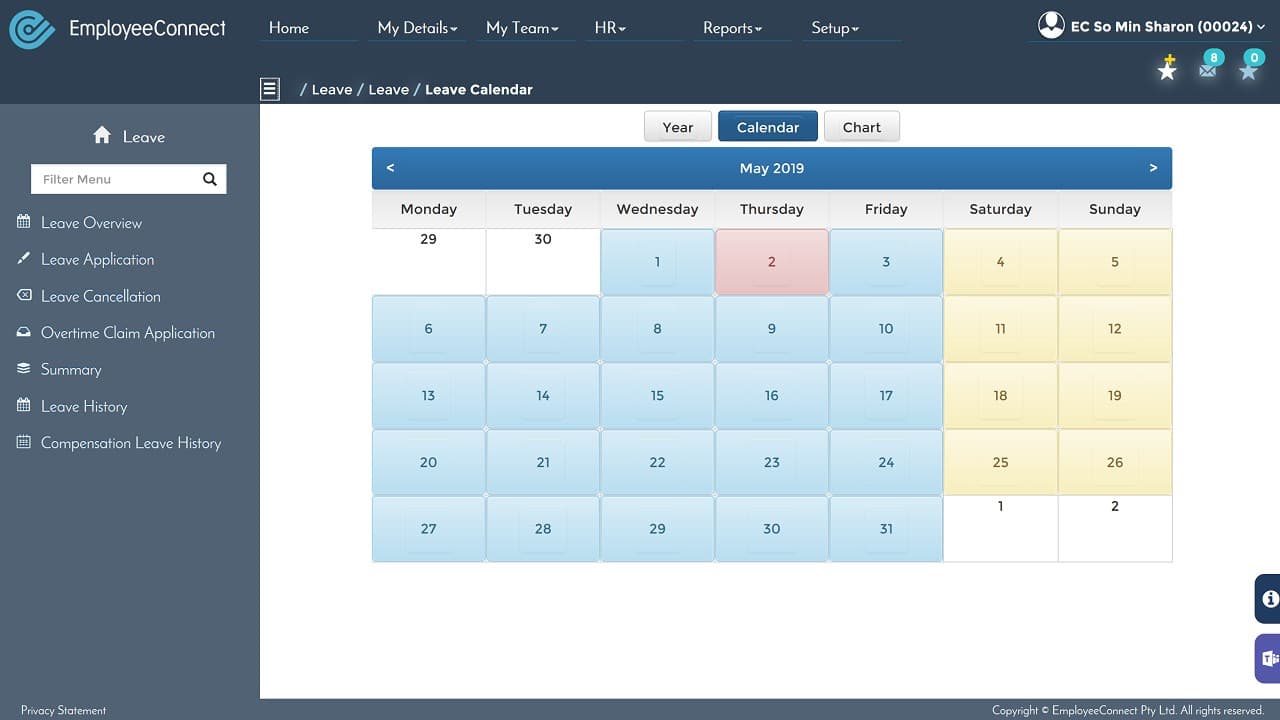
10. EmployeeConnect
EmployeeConnect is an Australian-built HR system focused on flexibility and control. You can automate onboarding, performance reviews, and leave approvals while adjusting the look, fields, and hierarchy to fit your business.
HR teams can also build custom reports and dashboards without relying on external IT support.
Starting price: Not publicly listed.
Source: Microsoft
Why do companies choose EmployeeConnect?
- Strong customisation options for workflows and reporting
- Cloud or on-premise deployment options
- Integrates with major payroll and ERP systems
“The hyper-intuitive UX? Flawless. The unparalleled scalability? Revolutionary. The robust security? Military-grade. Every feature is a paradigm shift in digital excellence, effortlessly revolutionising.” - EmployeeConnect Capterra review
User-flagged challenges
Setup and configuration can take time
The knowledge base could be easier to navigate
Some reporting features need fine-tuning
11. Employment Hero
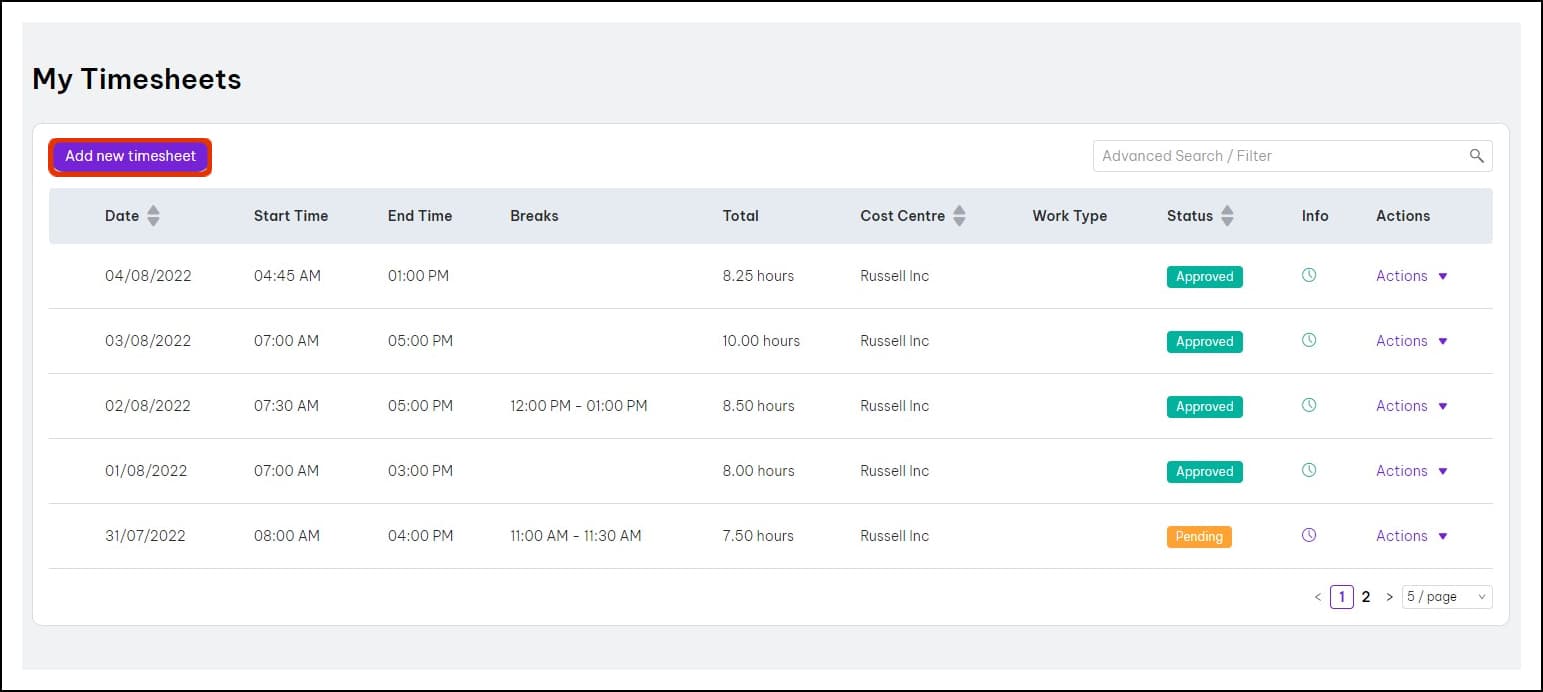
Employment Hero is one of Australia’s most well-known HR and payroll platforms. What sets it apart is its focus on the employee experience. Staff can manage their pay, leave, and onboarding through an app. Meanwhile, HR teams get built-in templates for policies, contracts, and compliance tools for Australia and New Zealand.
Starting price: $8 AUD per employee, per month.
Source: Employment Hero
Why do companies choose Employment Hero?
- Seamless onboarding and self-service through the app
- Policy and contract templates tailored for Australia and New Zealand
- Offers strong automation options
“My overall experience with Employment Hero has been good. I’ve been using Employment Hero since 2016, right from their very beginning, and it’s been amazing to see how much they’ve improved over the years.” - Employment Hero Capterra review
User-flagged challenges
Support can be slow to respond at times
Setup can be complex for larger teams
Reporting and learning modules aren’t very flexible
12. HiBob
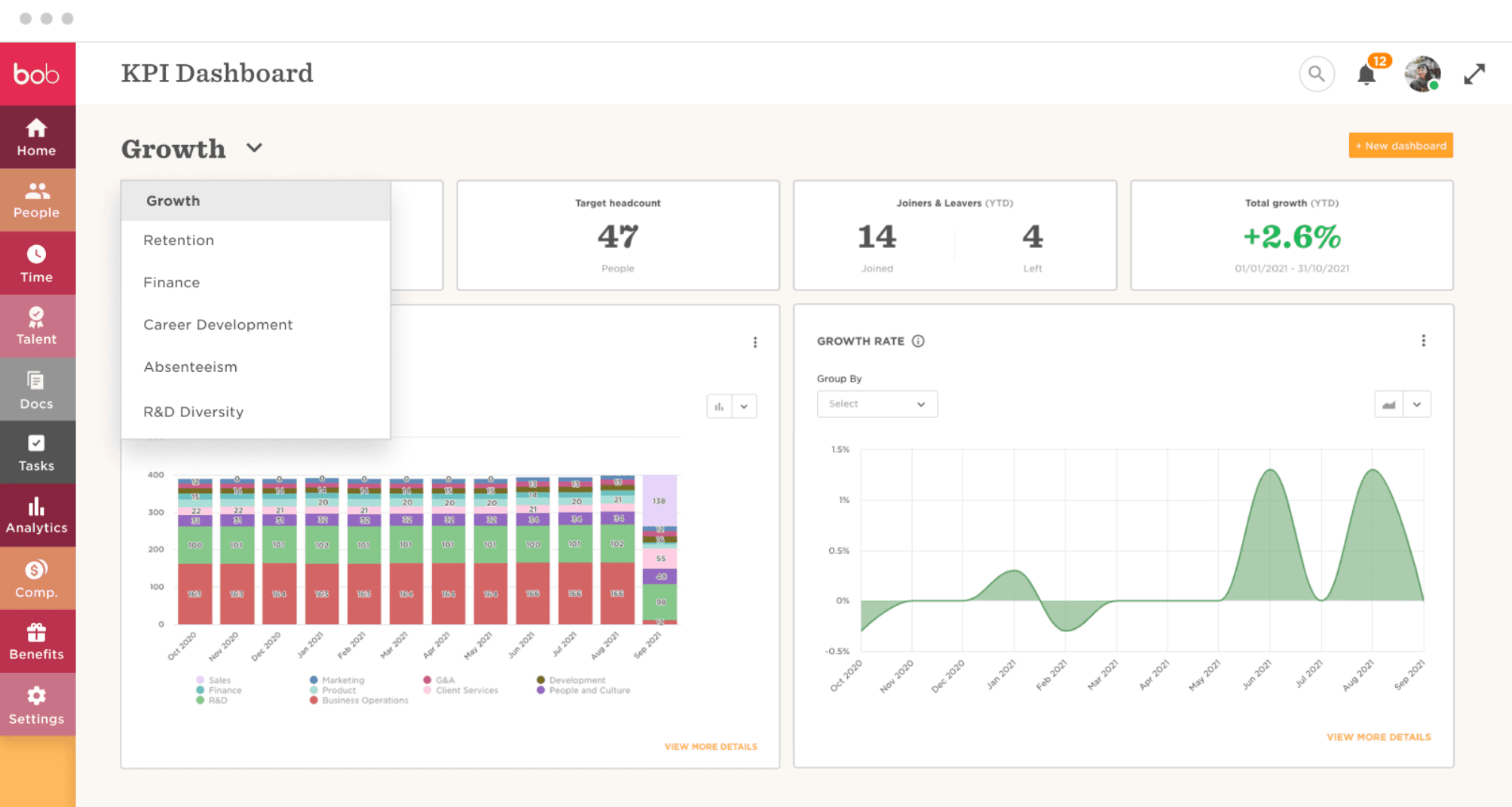
HiBob is an all-in-one HR platform made for agile companies. Employees can track leave, benefits, and company updates, while HR teams use built-in tools for surveys, reports, and compliance.
HiBob also connects with popular payroll systems, making it a flexible choice for businesses that already have a trusted payroll system.
Starting price: $16 USD per employee, per month.
Source: HiBob
Why do companies choose HiBob?
- Designed for global and remote teams
- Integrates with popular tools like Microsoft 365
- Built-in analytics and culture tools like surveys and shoutouts
“The user interface is excellent, intuitive, clean, and easy to navigate. The reporting features are robust, offering all the insights and data you need from both an HR and recruitment perspective.” - HiBob Capterra review
User-flagged challenges
Learning curve for some HR setup tasks
No native payroll integrations in Australia
Mobile app features are lighter than desktop ones
13. Lattice
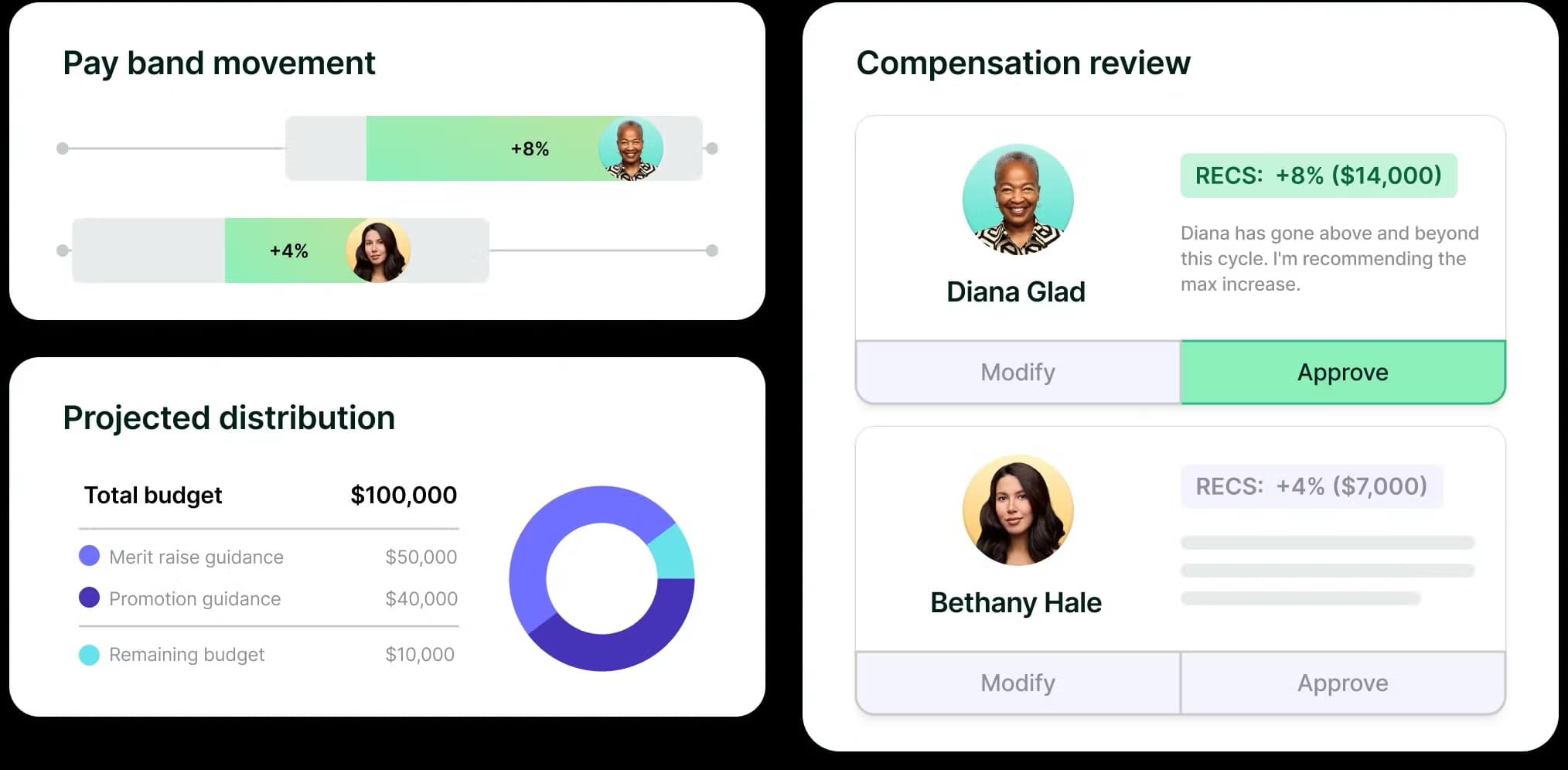
Lattice is a performance management platform built to help teams enhance their engagement, feedback, and development.
It focuses on employee growth rather than admin tasks, making it popular with HR teams that want to build a better culture. Managers can also use the platform to track goals, run 1:1s, collect feedback, and conduct performance reviews.
Starting price: Not publicly listed.
Source: Software Advice
Why do companies choose Lattice?
- Strong performance and goal-setting tools
- Customisable surveys and review cycles
- Integrates with HR systems like BambooHR and Rippling
“Overall I enjoy this system. I think it is a good way to organise your 1:1 meetings, and keep any feedback made my team members that is visible to both yourself and your manager.” - Lattice Capterra review
User-flagged challenges
Limited export options for engagement survey data
Some setup processes are manual or time-consuming
Occasional sync issues between HR systems
Get more from your HCM with Rippling
What to look for in a modern HCM platform
Choosing the right Human Capital Management (HCM) software comes down to finding the platform that fits your business, processes, and growth plans.
Here are some key factors to consider when making your decision:
- 01Business fit
Pick a system that matches your organisation’s goals. For example, if you’re growing quickly, choose an option that allows you to easily add new locations, departments, and users.
- 02All-in-one or point solution
One connected system keeps everything in sync, while specialised tools might allow you to go deeper in certain areas.
- 03Cloud-based software
Cloud systems update automatically and are easy to access from anywhere. Most modern HR platforms now run entirely in the cloud.
- 04Implementation and support
Check how long setup takes, what local help is available, and if training is included.
- 05Flexibility
Look for customisable dashboards, open APIs, and workflows that you can adapt to your company’s structure.
- 06Analytics
Look for clear dashboards that turn HR data into useful insights you can act on.
- 07Security
Confirm that the platform protects your employee data and meets your country’s privacy rules.
- 08Total cost
Make sure you factor in setup, integrations, and maintenance costs when considering what tool fits your budget.
Stronger teams start with a connected system
What stood out after reviewing every major HCM platform in Australia is how much connection matters. The strongest systems link payroll, IT, compliance, and analytics so businesses can see the bigger picture and make data-backed decisions. When systems don’t connect, data gets lost, and that’s when costly mistakes happen.
To stay compliant, confident in your reporting, and ready to grow, you need all your information in one place. If you’re comparing HCM software, check out Rippling by booking a demo. You’ll see how a single connected platform can simplify your HR, payroll, and compliance while giving you complete visibility of your workforce.
FAQs
What is an HCM software system?
A Human Capital Management (HCM) software system helps HR departments manage payroll, onboarding, performance, and compliance. It brings together core HR functions like leave management, time tracking, and learning and development, so teams can save time and reduce admin.
What’s the difference between HR and HCM software?
HR software usually handles everyday admin tasks like leave, payroll, and employee records. HCM software goes further by connecting those basics with deeper tools for analytics, development, and workforce planning.
What is a payroll hub?
A payroll hub is a central place within an HCM solution where all payroll data, tax information, and employee records are stored and processed. It ensures pay runs, deductions, and reporting are accurate across multiple locations or even a global workforce.
How does management software support workforce planning?
Management software like HCM and workforce management tools help HR teams forecast staffing needs, track skills, and plan for future growth. Through combining HR metrics with time and attendance data, they make workforce planning more accurate by helping leaders to spot gaps early and allocate resources to fill them.
The only all-in-one HCM software without silos
Disclaimer
Rippling and its affiliates do not provide tax, accounting, or legal advice. This material has been prepared for informational purposes only, and is not intended to provide or be relied on for tax, accounting, or legal advice. You should consult your own tax, accounting and legal advisers before engaging in any related activities or transactions.

Author

Maaike van Dijk
Manager, Solutions Consulting
Maaike van Dijk is the Manager of Solutions Consulting for APAC at Rippling. Based in Sydney, she leads the regional team and has extensive experience in HR technology across Australia, New Zealand, and internationally. She works with businesses to simplify and automate global hiring, onboarding, and compliance, helping them modernise their workforce systems. Prior to Rippling, Maaike held senior consulting roles at LiveHire.
See Rippling in action
Increase savings, automate busy work, and make better decisions by managing HR, IT and Finance in one place.