









HRIS stands for Human Resource Information System. It’s a type of software that helps businesses store employee information and manage HR tasks like onboarding, payroll, leave, and more.

Studio de flux de travail
Déclenchez des flux de travail avancés à partir de n’importe quelles données

Analytique
Produisez des rapports sur toutes les données de vos applications

Politiques
Appliquez automatiquement les règles de l’entreprise

Autorisations
Accordez à chacun le bon accès

Intégrations
Optimisez les performances des applications tierces

Studio des applis
Créez des applications personnalisées sans codage
Débloquez des données essentielles pour votre entreprise et déléguez les tâches fastidieuses à une IA conçue pour les RH, la Paie, l'IT et la Finance.
En savoir plus
Obtenez des applications sur mesure, conçues par des ingénieurs de Rippling, pour automatiser n'importe quel processus.
En savoir plus

Fiche de l’employeur
Embauchez dans le monde entier sans entités

Service de la paie international
Payez les employés où qu’ils se trouvent

Prestataires internationaux
Payez les prestataires partout dans le monde

SIRH à l’échelle internationale
Exécutez les processus de RH mondiales en un seul endroit

Conseillers en RH mondiales
Obtenez une expertise locale en RH

Avantages sociaux internationaux
Gérez les avantages sociaux partout dans le monde

Dépenses mondiales
Économisez partout où vous exercez vos activités


Témoignages des clients


Barry’s donne plus de pouvoir à ses équipes grâce à une solution RH évolutive

Forterra automatise les tâches répétitives pour maximiser son efficacité

Chess.com crée des processus de personnel transparents

Clay a multiplié sa croissance par cinq en automatisant 80 % de ses tâches d’accueil et d’intégration

Blank Street Coffee a économisé 40 heures en automatisant sa période d’inscription

Rippling a donné des superpouvoirs d’automatisation à Andros


FR
Canada (FR)


Australie (EN)
Canada (EN)

France (FR)

Allemagne (DE)

Irlande (EN)

Pays-Bas (NL)

Espagne (ES)

Royaume-Uni (EN)

États-Unis (EN)
FR
Canada (FR)
Australie (EN)
Canada (EN)
France (FR)
Allemagne (DE)
Irlande (EN)
Pays-Bas (NL)
Espagne (ES)
Royaume-Uni (EN)
États-Unis (EN)
FR
Canada (FR)
Australie (EN)
Canada (EN)
France (FR)
Allemagne (DE)
Irlande (EN)
Pays-Bas (NL)
Espagne (ES)
Royaume-Uni (EN)
États-Unis (EN)
Dans cet article
Rippling ranked #1 among 15 global HRIS platforms reviewed for US businesses in 2026, scoring highest for its ability to unify HR, payroll, and compliance in a single natively built system.
The top seven global HRIS platforms (Rippling, Workday, ADP Workforce Now, Oracle Fusion Cloud HCM, Dayforce, SAP SuccessFactors, and UKG) were scored across six weighted categories: core HR features, global accessibility, local compliance, automations, reporting, and usability.
Key US compliance changes for 2026 include higher HSA contribution limits, state-level minimum wage increases, and expanded paid family and medical leave programs, all of which require HRIS systems that can automate payroll and benefits updates.
A natively integrated HRIS that combines employee data, payroll, and compliance in one platform reduces manual data entry, eliminates sync delays, and lowers the risk of costly compliance errors compared to a patchwork of standalone tools.
When choosing a global HRIS, businesses should prioritize scalability, seamless integrations with existing software, simplified global compliance support, and an intuitive interface that minimizes the learning curve for both HR teams and employees.
A global HRIS system is an HR solution that is typically cloud-based and designed to manage your entire global workforce under one umbrella. It is a centralized human resource management system (HRMS) that houses all your employee data to help you handle core HR tasks like onboarding, performance management, benefits administration, payroll management, and compliance.
An HRIS software solution not only stores important employee information, but also powers and integrates with payroll software, time tracking apps, applicant tracking systems, and other technology to speed up your HR workflows.
To find the best workforce management software for US businesses, we reviewed the 15 leading platforms in 2026 and scored them across these six areas:
Core HR features
Global accessibility (payroll, benefits, workflows)
Local compliance
Automations (including integrations)
Reporting and analytics
Usability (including onboarding)
Each platform was then rated using a weighted scoring system. To view how we scored each platform and details for each, you can view the full spreadsheet here.
A note on transparency: Our platform lands the number one spot on this list after our assessment. We truly believe we offer the most comprehensive HRIS software for US businesses, and this was reflected in the final scores. How we scored each platform is public for anyone to assess.
Here’s a snapshot of the 15 software options and what businesses they are best suited to.
Platform | Best for | Choose this platform if |
1. Rippling | Growing teams of all sizes, especially mid-enterprise | You want a single global system of record for employee data |
2. Workday HCM | Large enterprise businesses | You need enterprise-grade global HR governance |
Payroll-first HR teams | You need stable HR records tied closely to your payroll | |
Complex enterprise HR environments | You manage multi-entity global workforces | |
5. Dayforce | Compliance-heavy organizations | You operate in highly regulated states or other countries |
Large enterprise businesses | You need a mature global HR system across many countries | |
7. UKG | Large enterprise businesses | You need a stable HR system to manage a large number of employees |
8. Deel | Growing teams | You need basic HR records for globally hired employees (not a full HRIS) |
9. Remote | Remote teams | You need basic HR records for globally hired employees (not a full HRIS) |
10. Papaya Global | Payroll-first enterprise businesses | You need to support complex global payroll operations |
11. Zoho People | Cost-conscious teams | You need basic HR functionality at a low price |
12. HiBob | Midsized companies | You want a modern HR system without enterprise complexity |
13. BambooHR | Small businesses | You want simple HR recordkeeping without enterprise complexity |
14. Personio | SMBs in Europe | You have offices in the EU and need a regional HR system |
15. Namely | Midsized companies | You want a combined HR and payroll system |
From the 15 platforms assessed in our research, the following seven achieved the strongest overall scores. Below, we are going to dive deeper into each option to help you find the right platform for your business.
1. Rippling
2. Workday HCM
3. ADP Workforce Now
4. Oracle Fusion Cloud HCM
5. Dayforce
6. SAP SuccessFactors
7. UKG
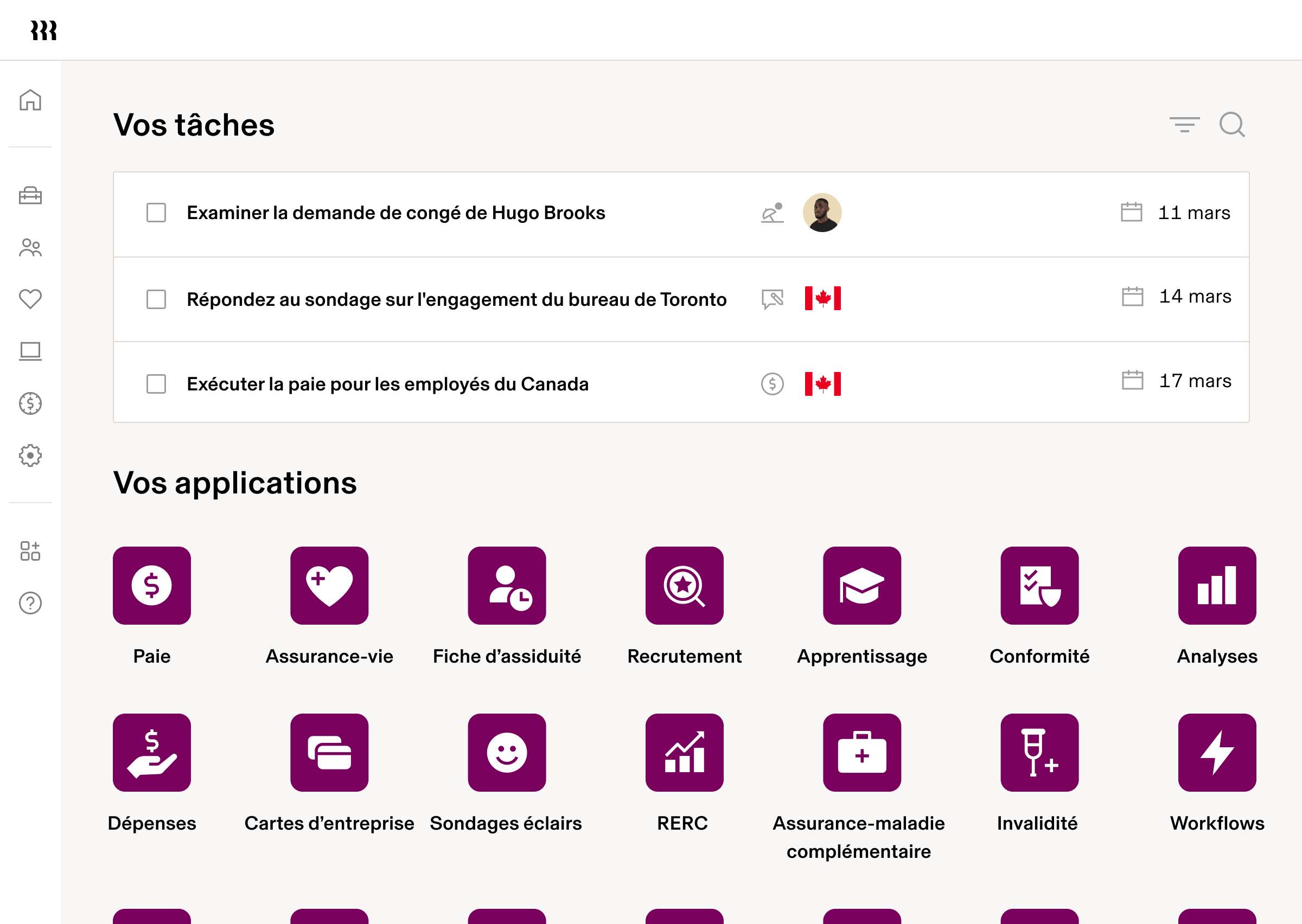
Rippling is an all-in-one global HRIS platform that combines HR, payroll, benefits administration, and a wide range of integrations. It also offers a customizable, easy-to-use interface, compliance management, and other key features to support your organization’s global expansion.
Rippling is the only HRIS that can support your workforce in the US and around the globe by bringing all their data into a single system that’s natively built from the ground up, so you can automate manual tasks, eliminate compliance errors, and give employees access to information they need, no matter where they are.
In addition, routine workflows such as onboarding new hires, employee changes, leave management, and offboarding are automated out of the box. This helps HR teams save time and reduce potentially costly errors.
Source: Rippling
Connects HR, IT, and payroll in one workflow
Mobile app with employee self-service tools
Integrates with MYOB, QuickBooks, and 600+ other apps
Highly rated with a 4.9-star rating from more than 4,000 verified reviews
“[Rippling’s] platform allows you to manage and onboard employees, conduct review cycles to maintain your best asset (people!), and continue supporting them and your business as it scales domestically and internationally.” - Rippling Capterra review
Some advanced features are paid add-ons
Support relies heavily on ticketing and chat, with no local phone assistance
The platform’s depth might be overkill for teams with fewer than five people
Teams choose Rippling because it brings core HR, payroll, and employee data into a single, connected system that scales as the business grows.
It’s a particularly appealing platform for growing teams that want strong employee self-service, broad integrations, and a platform that can support this growth without the need to change systems.
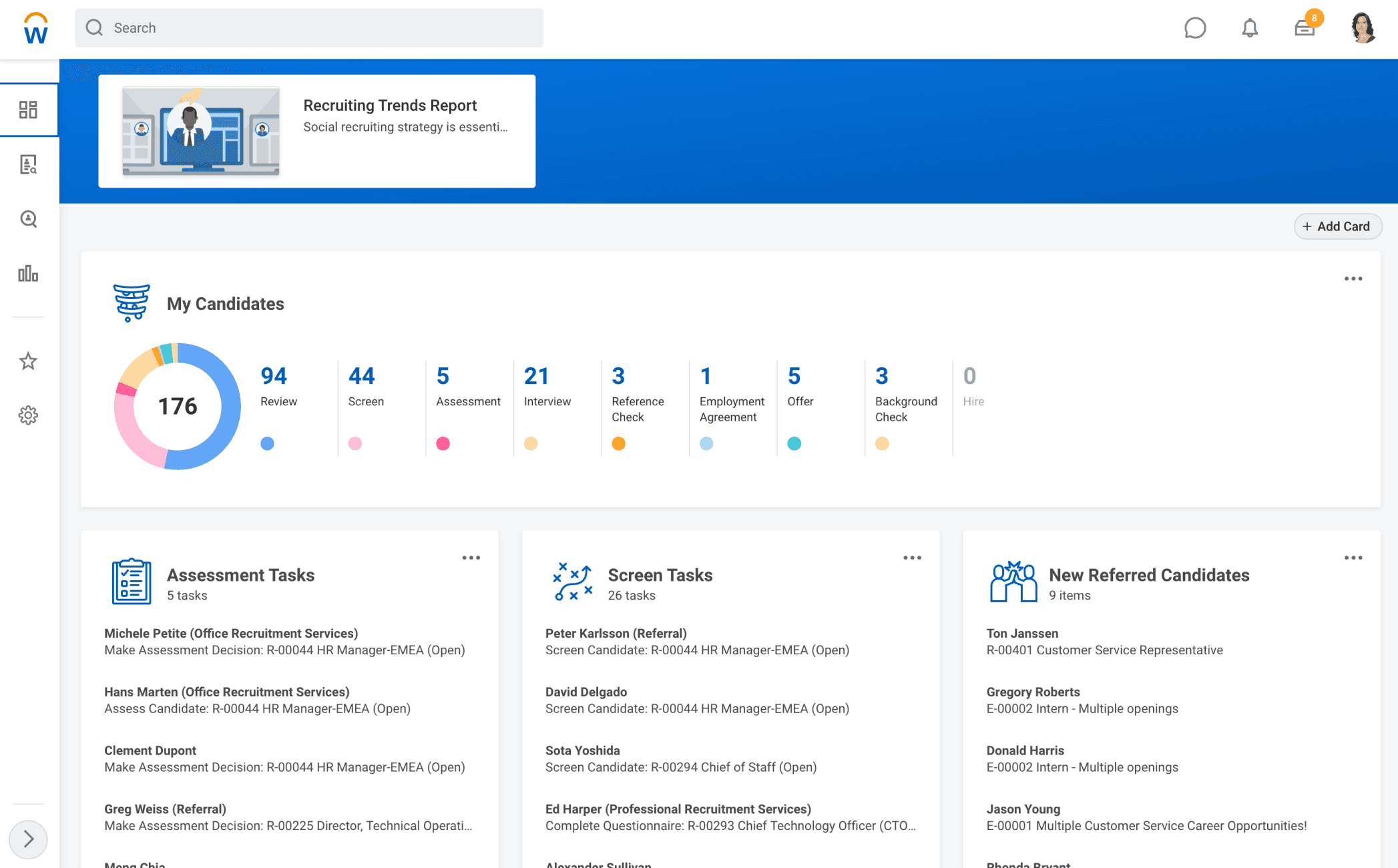
Workday offers a scalable HRIS with advanced reporting capabilities. Its emphasis on workforce analytics can help businesses gain deeper insights and make it simpler to understand workforce trends, forecast hiring needs, and maintain compliance, even as your organization’s global footprint expands.
Workday is particularly well-suited to very large enterprises that require a highly structured system of record, global processes, and reporting across regions.
Source: Workday HCM
Advanced workforce analytics and executive dashboards
Customizable workflows for complex global HR requirements
Built-in compliance and regulatory support
“Workday has worked very reliably for us over many years. We use it globally and it has some of the best features an HRIS can have. They continue to innovate quickly, and we have been impressed by their product roadmap.” - Workday Capterra review
Longer implementation timelines
Higher costs compared to mid-market platforms
It can feel complex for organizations without dedicated HRIS teams
Teams choose Workday when they need an enterprise-scale HRIS with strong governance, compliance, and analytics to support very large, global workforces over the long term.
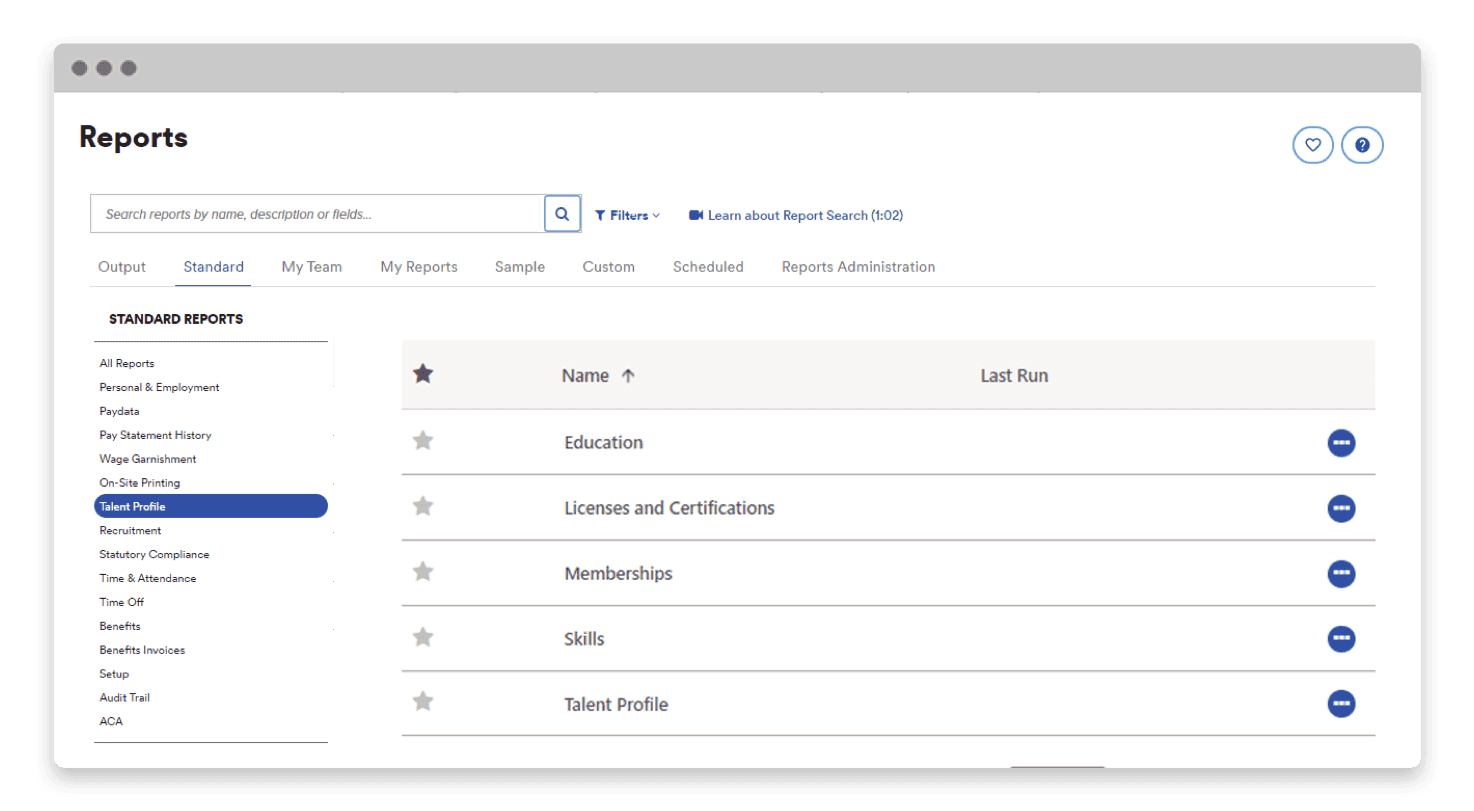
ADP Workforce Now is a legacy offering in the HR space, providing an HRIS that’s widely recognized for its robust global payroll and compliance capabilities. Its focus on standardization and integration makes it a common choice for organizations that value consistency and a well-established brand in HR technology.
ADP’s approach is more standardized than modern, modular platforms, which appeals to businesses that value proven processes. However, it might not be suitable for businesses wanting a modern, user-friendly-first platform.
Source: ADP Workforce Now
Strong compliance framework with ongoing regulatory updates
Integrated global payroll for multi-country operations
Secure, cloud-based infrastructure
“ADP Workforce Now delivers on all fronts that are promised. For the 4 years I used it, I have never once needed to call for support.” - ADP Workforce Now Capterra review
Interface feels dated compared to newer HRIS platforms
Configuration flexibility can be limited
Advanced features often require purchasing additional modules
Teams choose ADP Workforce Now when payroll accuracy, compliance, and brand trust are more important than customization or modern user experience.
Oracle Fusion Cloud HCM is an enterprise-grade global HRIS built to support large, complex organizations with multi-entity and multi-country workforces. It provides a single system of record for employee data and is designed to enforce consistency.
Oracle’s strength lies in scale and structure. It is best suited to organizations that require a highly standardized HR platform and the ability to manage HR processes consistently across regions as the business grows.
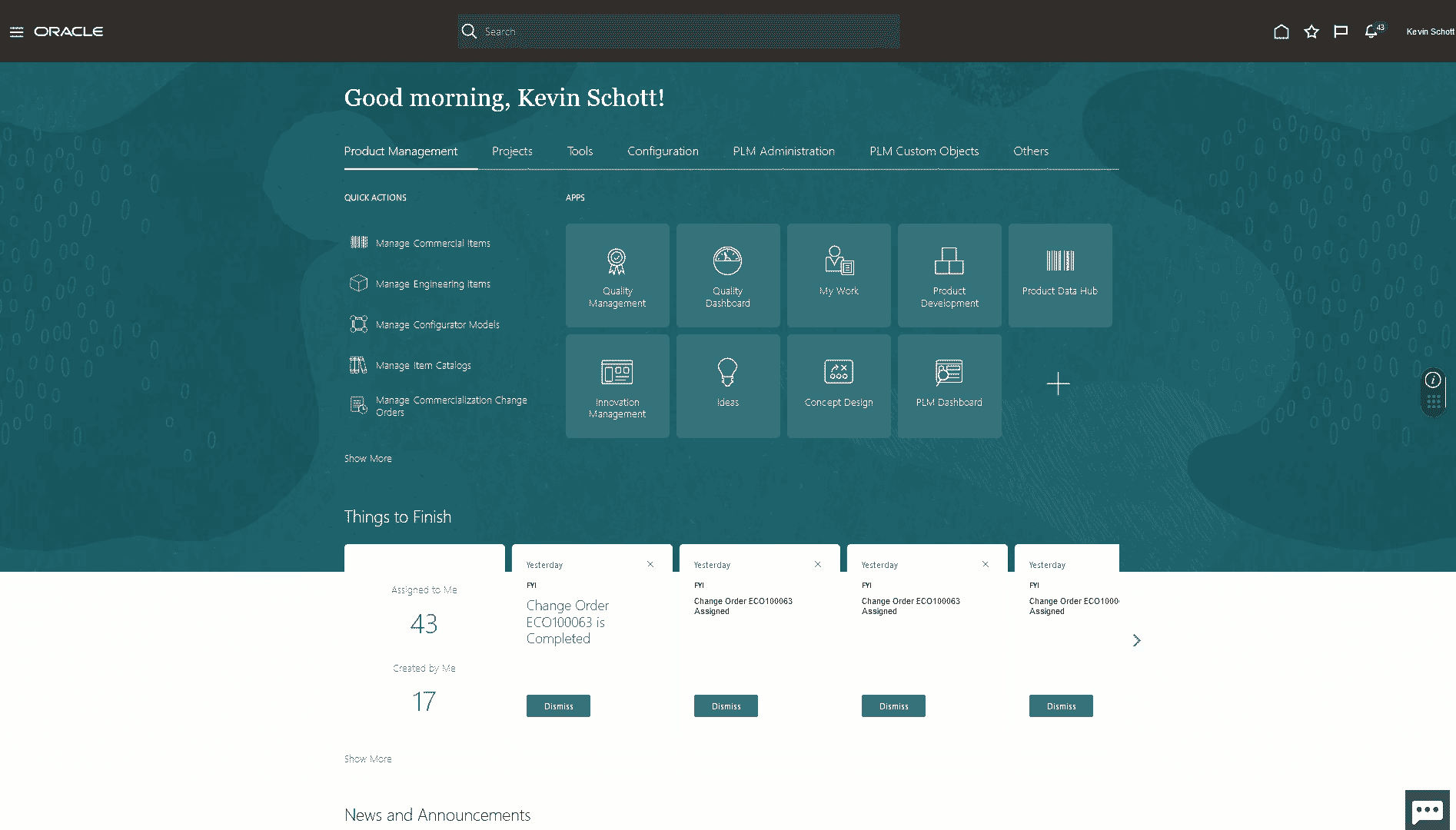
Source: Oracle
Strong support for complex, multi-entity organizations
Built-in compliance and regulatory controls
Integration with Oracle’s complete enterprise ecosystem
“Employee self-service is the feature we like the most. It is very helpful to our organization and to our workforce.” - Oracle Capterra review
Users find it difficult to use; without much support, some users turn to the helpful online community
Implementation can be complex and time-intensive
User experience can feel rigid compared to newer platforms
Dayforce is a global HRIS built for large, complex organizations where payroll accuracy and compliance are the most important features.
It uses a single system of record with real-time data processing, which allows HR teams to manage employee data, workforce changes, and compliance without relying on delayed syncs between systems.
Dayforce is particularly well-suited to organizations with complex labor rules or large hourly workforces, where visibility into workforce data is particularly valuable.
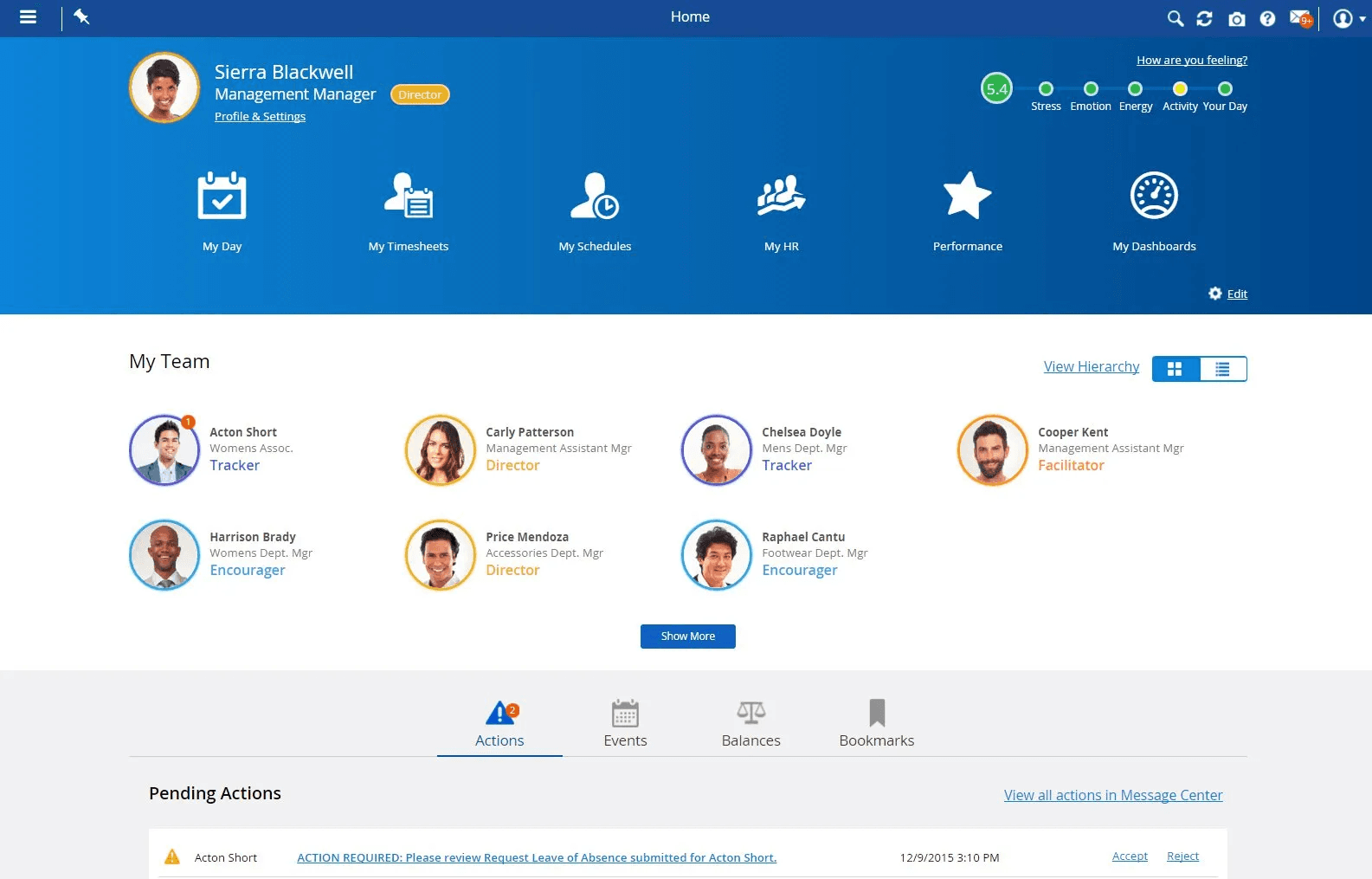
Source: Dayforce
Centralized HR system of record with payroll tightly linked
Real-time data visibility across workforce changes
Designed for complex, multi-region labor environments
“It's a great platform to manage your payrolls, tax forms, update your employee info, schedule days off, and see your shift time.” - Dayforce Capterra review
Slow system responsiveness at times
Setup/configuration takes longer than expected, especially for complex businesses
Reporting can be time-consuming to customize and maintain
SAP SuccessFactors is designed for large, complex organizations that need to manage every stage of the employee lifecycle. What makes it unique is its native integration with all the other SAP cloud products. For multinational employers, it also offers strong localization and compliance features for more than 100 countries.
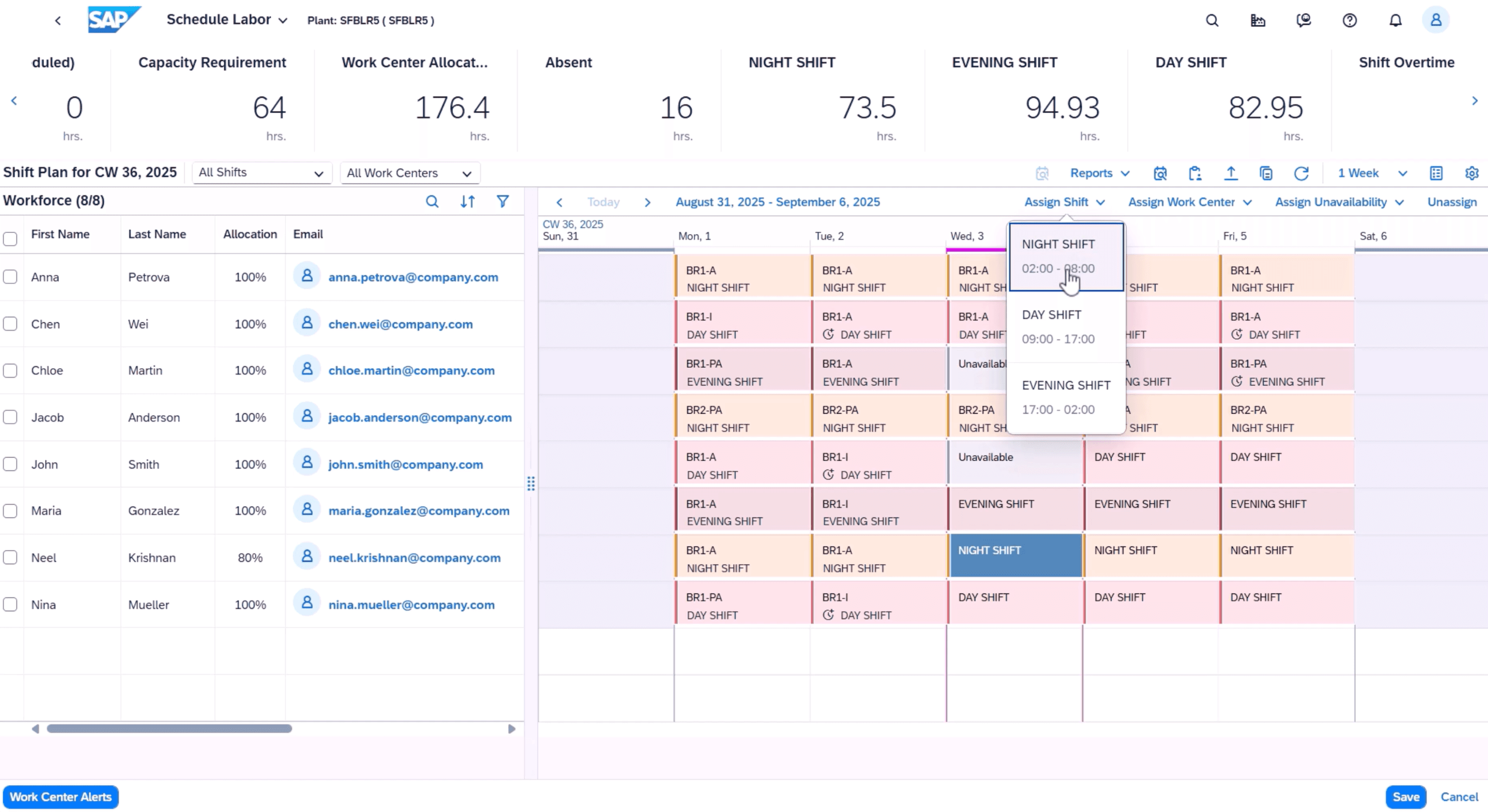
Source: SAP SuccessFactors
Strong goal-setting and performance management workflows
Deep configuration and integration options for enterprise businesses
Designed for large teams using multiple HR features in one
“SuccessFactors is extremely customizable, and it also has a ton of features (LMS, employee management, performance reviews, reporting/analytics, etc).” - SAP Capterra review
Slow and inconsistent performance with lagging and freezing reported
Interface can feel dated and harder to navigate compared to newer options
Setup and configuration can be complicated and time-consuming
UKG helps teams manage all their people with built-in AI tools designed to support large operations. The platform is a good fit for structured organizations that need depth and flexibility across payroll and core HR workflows. However, user feedback suggests there’s a learning curve, and some teams experience technical delays or friction during setup and navigation.
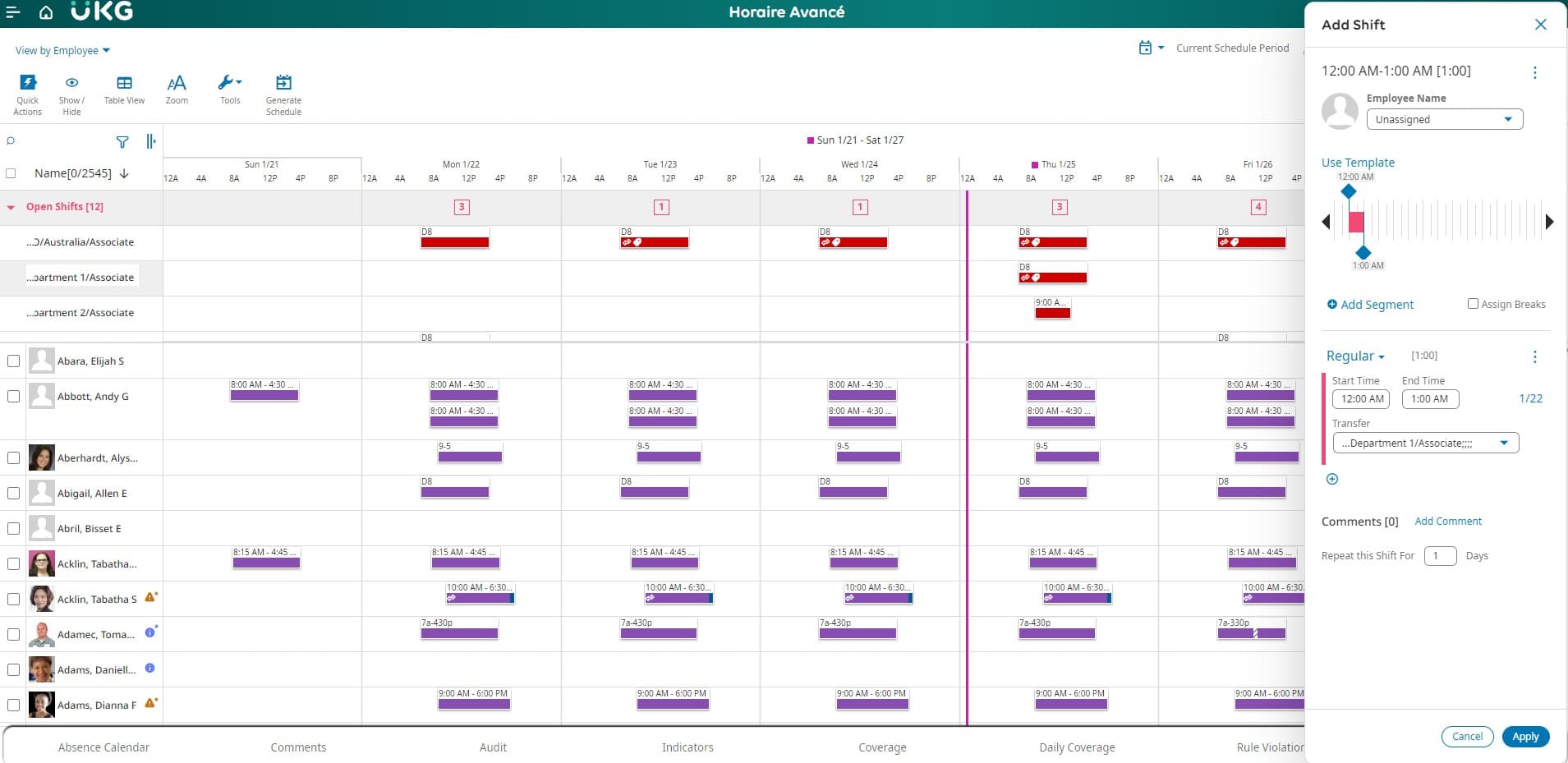
Source: UKG
Keeps employee info, time tracking, and payroll in one place
Strong attendance tracking and direct deposit tools
Flexible setup for organizations that already have defined HR processes
“It provides an extensive feature set that includes payroll and personal administration. Even though it is a little bit complex user experience, the technology has significantly increased the productivity of our process.” - UKG Capterra review
Frequent technical glitches and delays, especially during peak login times
Setup and configuration can be complex and time-consuming
Pricing is not transparent and is often described as high, with extra fees
Key features aren’t the only thing to take into account as you look for the right global HRIS for your organization; you also need to consider some things about your business. Here are some steps to take in order to choose the right global HRIS system for your organization.
Identify specific needs a global HRIS can address for you. This could be things like employee data management, syncing with your global payroll, benefits management, or time and attendance tracking solutions, or powering automations. Determine which HR tasks are non-negotiables for your organization and where your current system (or systems) falls short.
Why do you need a global HRIS? How can it support your goals? Before you can answer those questions, you need to know what your organization’s long-term HR goals are.
Are you expanding into new markets? Focusing on retention, talent management, or employee engagement? A global HRIS should support your broader HR management vision and HCM strategy.
Pricing matters, whether you’re a lean startup or a large enterprise. Before you go shopping for a global HRIS, consider your budget and how it aligns with your growth plans. Consider not just the software’s cost but also the time savings and enhanced employee performance it can deliver.
Compare the best HRIS solutions side-by-side. Look at their features, integrations, customer support, and user experience. Shortlist the vendors that meet your specific needs and consider requesting demos to test their functionalities firsthand.
When choosing the best global HRIS for your business, consider these key features:
A user-friendly interface that simplifies employee data storage and retrieval and reduces friction is essential, and one of the first features to look for.
Remember that your HRIS should be intuitive for everyone who will use it, so a minimal learning curve at all levels is key. Look for intuitive navigation, minimal training requirements, and easy adoption for HR professionals and employees alike.
A strong support team can make all the difference when exploring new technology platforms. Look for an HRIS system that offers customer service that will help you quickly resolve issues.
Dedicated account managers can be a strong selling point, but responsive customer support that won’t leave you scrambling is the minimum.
Your HRIS should grow with your company and your global workforce. Whether you’re a startup hiring across borders for the first time or an enterprise scaling to become an international powerhouse, choose an HR solution that can handle increasing complexity and new locations as you grow and expand your global footprint.
Managing global compliance (particularly in new jurisdictions where you may not be familiar with local labor and employment laws) is one of the most complicated parts of running a global business.
Your HRIS system should be able to store the employee information you need to manage compliance with labor laws, local regulations, tax laws, and other compliance requirements in different countries.
From applicant tracking solutions to time tracking apps and performance management tools, your HRIS should seamlessly integrate with the other software tools in your ecosystem. It’s the digital age, and today’s companies rely on many types of software platforms.
Smooth integrations between your HRIS and the rest of your tech stack will streamline data flow, enable time-saving automations, and help eliminate manual data entry and other administrative tasks.
A single, integrated workforce management platform is often more stable and reliable than a standalone HRIS integrated with a patchwork of separate tools. Rippling is the only HRIS that’s natively built from the ground up, so all its tools work together seamlessly.
Recent US workforce and benefits updates are reshaping how employers manage HR, payroll, and leave. Here are the key changes you should be aware of for compliant workforce management in 2026.
New HSA contribution limits: The IRS has increased Health Savings Account limits for 2026. This means that payroll and benefits systems will need to apply the correct caps and eligibility rules.
State-level minimum wage increases: While the federal minimum wage remains unchanged, many states are raising their minimum wages in 2026. Employers with staff across multiple states will need to be aware of this change and make sure they are paying their employees the correct amount.
Expanded paid leave programs: More and more states are starting to run or launch paid family and medical leave programs, each with different rules. HR teams will need to track these differences and apply the correct payroll deductions to stay compliant.
Having a modern HRIS system can help your business adapt to these changes. You’ll be able to automate updates across payroll and benefits, and reduce the risk of compliance errors as these regulations continue to evolve and new ones are introduced.
What stood out after reviewing all 15 HRIS platforms is how much simpler workforce management becomes when employee data, payroll, and compliance live in one system.
While many tools perform well in specific areas, Rippling consistently ranked highest for its ability to unify HR, payroll, and finances in real time across the US and globally.
If you want to see why more than 4,000 businesses rate Rippling 4.9 stars, you can explore the platform with a free demo.
HRIS stands for Human Resource Information System. It’s a type of software that helps businesses store employee information and manage HR tasks like onboarding, payroll, leave, and more.
Most HRIS platforms have these core features:
Employee records
Onboarding and offboarding
Payroll tracking
Benefits tracking
Leave management
Compliance support
Employee self-service
Reporting and insights
A global HRIS centralizes workforce data, which can help your HR team streamline and automate tasks like onboarding, performance reviews, and benefits administration. Acting as a single source of truth for employee information, the HRIS helps improve employee management, regardless of location.
A global HRIS (Human Resource Information System) and an Employer of Record (EOR) serve distinct but complementary roles in managing a global workforce. A global HRIS is a software platform that centralizes employee data and streamlines the HR process.
An EOR is a service provider that acts as the legal employer for employees in a specific country or region on behalf of a client company. This arrangement allows companies to expand internationally without establishing a local legal entity. The EOR manages its employment-related HR tasks like payroll, benefits administration, and compliance with local tax and labor laws.
Clause de non-responsabilité
Rippling et ses sociétés affiliées ne fournissent pas de conseils fiscaux, comptables ou juridiques. Ce document a été préparé à titre informatif uniquement et n’est pas destiné à fournir des conseils fiscaux, comptables ou juridiques, ou ne doit pas être utilisé à cette fin. Il est recommandé de consulter vos propres conseillers fiscaux, comptables et juridiques avant de vous engager dans toute activité ou transaction connexe.

Responsable du marketing de contenu, RH
Vanessa Kahkesh est spécialiste du marketing de contenu pour les RH, passionnée par la création de conversations à l’intersection des personnes, de la stratégie et de la culture d’entreprise. Chez Rippling, elle supervise la création de contenus axés sur les RH. Vanessa a perfectionné ses compétences en marketing, mise en récit et croissance grâce à des expériences en marketing produit, en création de communautés et dans des startups. Elle a travaillé au sein de l’équipe marketing produit de Replit et a fondé STUDENTpreneurs, une plateforme communautaire mondiale pour les étudiants entrepreneurs. Son expérience multidisciplinaire, alliant narration, gestion de la marque et opérations, lui offre une perspective unique sur le contenu RH : elle parvient à relier efficacement l’aspect technique des ressources humaines aux histoires humaines qui les sous-tendent.
Économisez davantage, automatisez les tâches fastidieuses et prenez de meilleures décisions en gérant les RH, les TI et les finances au même endroit.
